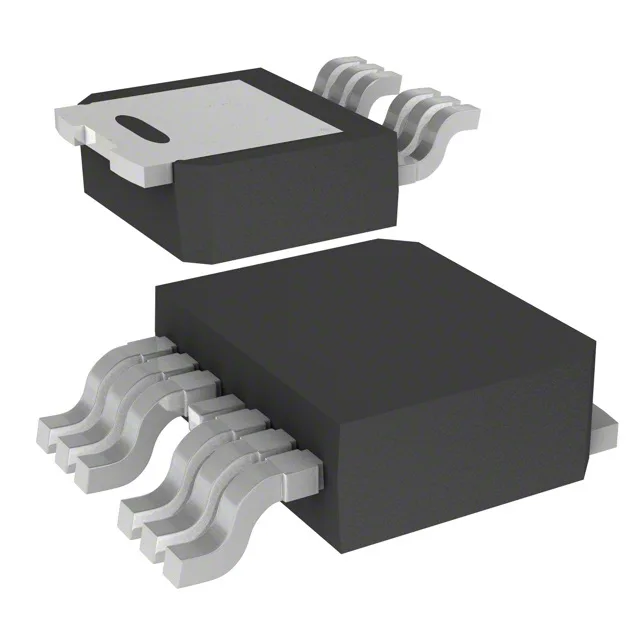
STMicroelectronics VN5E016MH-E — Power Management (PMIC / Gate Driver)

VN5E016MH-E VIPower high-side switch, 16 mOhm Rds(on), 54 A

MPNVN5E016MH-E
Active

STMicroelectronics VIPower™ VN5E016MH-E, single-channel high-side switch, 16 mOhm max Rds(on), 54 A max output, 4.5 V to 28 V load supply, TO-252-7 (DPak) surface-mount package, -40°C to 150°C junction temperature.

Independent supplier — new & surplus stockAuthenticity-screened · ESD-safe packingListing updated Jul 2026

Specifications

VN5E016MH-E specifications
ParameterValue
SeriesVIPower™
Input typeNon-Inverting
Output typeN-Channel
TypeGeneral Purpose
MountingSurface Mount
Voltage - load4.5V ~ 28V
Voltage - supply (Vcc (Vdd))Not Required
Output current54A
I/O channels1
InterfaceOn/Off
Operating temperature-40°C ~ 150°C (TJ)
PackageTube
FeaturesAuto Restart
Rds on16mOhm (Max)
CaseTO-252-7, DPak (6 Leads + Tab)
Fault protectionCurrent Limiting (Fixed), Over Temperature, Over Voltage
Output configurationHigh Side
Ratio - Input:Output1:1

Product details

The VN5E016MH-E is a single-channel high-side N-channel power switch from ST's VIPower™ family, built for automotive and industrial loads where a solid-state replacement for a relay or fuse is needed. The 16 mOhm max Rds(on) sets the conduction loss floor at the rated 54 A peak output — at that current the dissipation is roughly 46 W, so the thermal path through the 6-HPAK exposed pad to the PCB copper is what keeps the junction inside the -40 to 150°C operating range.

Fault protection set — less external circuitry needed

The switch integrates fixed current limiting, over-temperature shutdown, and over-voltage clamping, which means the BOM does not need a separate TVS or resettable fuse for most lamp, solenoid, or motor loads. The auto-restart feature lets the part recover after a fault clears, avoiding a latch-off that would require a power cycle.

Frequently asked questions

What is the Rds(on) of VN5E016MH-E?

The typical Rds(on) is 16 mOhm max. This is the on-resistance at the rated load voltage; actual value shifts with junction temperature, so the thermal design should use the max figure at the expected operating temperature.