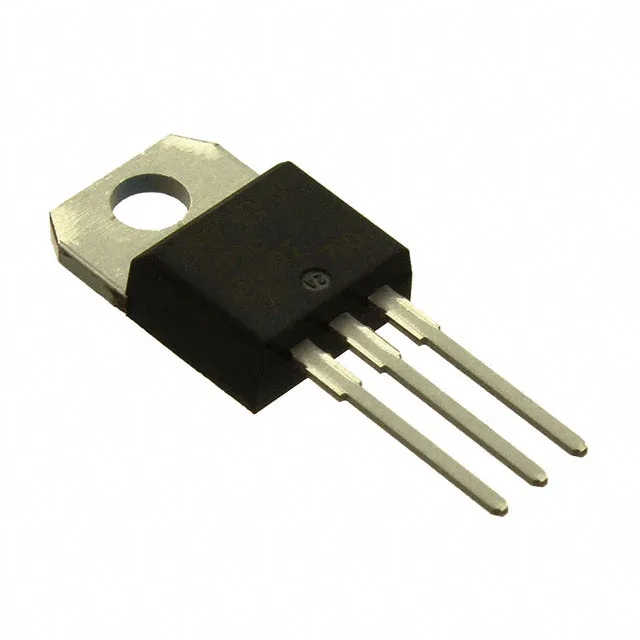
STMicroelectronics STPSC8TH13TI — Discrete Semiconductors

STPSC8TH13TI SiC Schottky Diode Array, 650 V, 8 A, TO-220

MPNSTPSC8TH13TI
Active

STMicroelectronics STPSC8TH13TI, SiC (Silicon Carbide) Schottky diode array, 650 V DC reverse, 8 A average rectified per diode, zero reverse recovery time, TO-220-3 through-hole package, -40°C to 175°C junction temperature.

$6.5400Ref. price · indicative, final on quote
PackagingTO-220-3
RoHSROHS3 Compliant
Independent supplier — new & surplus stockAuthenticity-screened · ESD-safe packingListing updated Aug 2026

Specifications

STPSC8TH13TI specifications
ParameterValue
MountingThrough Hole
Voltage - DC reverse (Vr)650 V
Voltage - forward (Vf) (Max) @ if1.75 V @ 8 A
Current - reverse leakage @ vr80 µA @ 650 V
Current - average rectified (Io) (per diode)8A
Operating temperature - junction-40°C ~ 175°C
SpeedNo Recovery Time > 500mA (Io)
PackageTube
TechnologySiC (Silicon Carbide) Schottky
CaseTO-220-3
Diode configuration1 Pair Series Connection
Reverse recovery time0 ns

Product details

Why the zero-recovery spec matters in a PFC or flyback stage

The STPSC8TH13TI is a silicon-carbide Schottky diode array with two 8 A, 650 V rated diodes in a series pair configuration — a topology choice for high-voltage boost or half-bridge legs where the zero reverse recovery time (0 ns trr) eliminates the turn-off loss tail that plagues silicon ultrafast diodes.

Headline ratings and what they drive

The 650 V reverse blocking voltage gives 1.5× derating headroom on a 400 V PFC bus, while the 80 µA leakage at 650 V and 175 °C junction rating means the part stays within its thermal budget in a cramped TO-220AB insulated package without an external heatsink for moderate loads.

Package and mounting — through-hole for power

The TO-220-3 through-hole package with an insulated tab lets you bolt the device directly to a grounded heatsink without an isolation pad.

Frequently asked questions

Is STPSC8TH13TI RoHS compliant?

Yes, it is ROHS3 compliant, meaning no restricted substances above the threshold limits for the current directive.