What the zero-reverse-recovery spec means for a switching supply
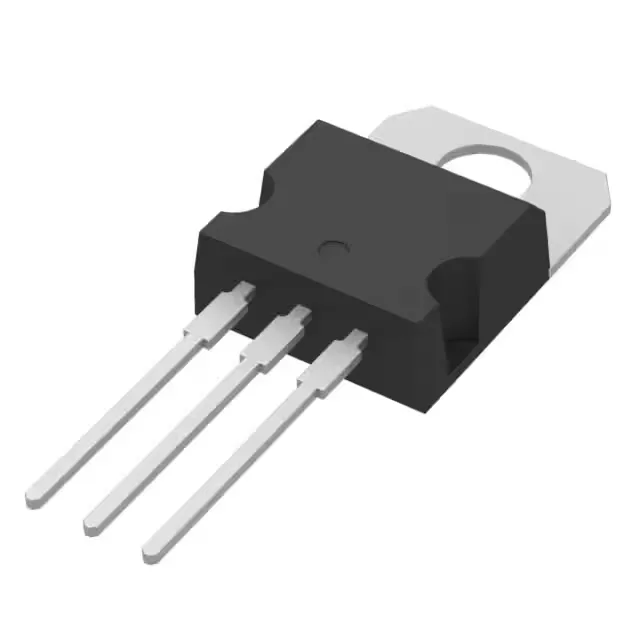
The STPSC16H065CT: In a hard-switched PFC boost stage or a 650 V DC-DC converter, that zero trr eliminates the reverse-recovery loss that plagues ultrafast silicon diodes, so the MOSFET or IGBT sees no current spike at turn-on and the switching node rings less. The two diodes share a common cathode (pin 2 is the cathode for both, pins 1 and 3 are the anodes), which maps directly to a center-tapped transformer secondary or a two-phase interleaved PFC where the cathodes tie to the output rail.
Forward drop and leakage at the junction temperature ceiling
At 8 A forward current, the maximum forward voltage is 1.75 V — that is the worst-case conduction loss at the rated current, and the actual Vf at lower currents or at 25°C will be lower. Reverse leakage at 650 V is 80 µA maximum, but that figure is at 25°C junction; SiC leakage doubles with temperature, so at 175°C the leakage could approach a few milliamps, which matters for standby power budgets in lightly loaded converters.
Package, compliance, and sourcing posture
Housed in a standard TO-220-3 (supplier device package TO-220), through-hole mount, supplied in tubes — the same footprint as any TO-220 ultrafast or Schottky diode, so no board layout change from a silicon part.