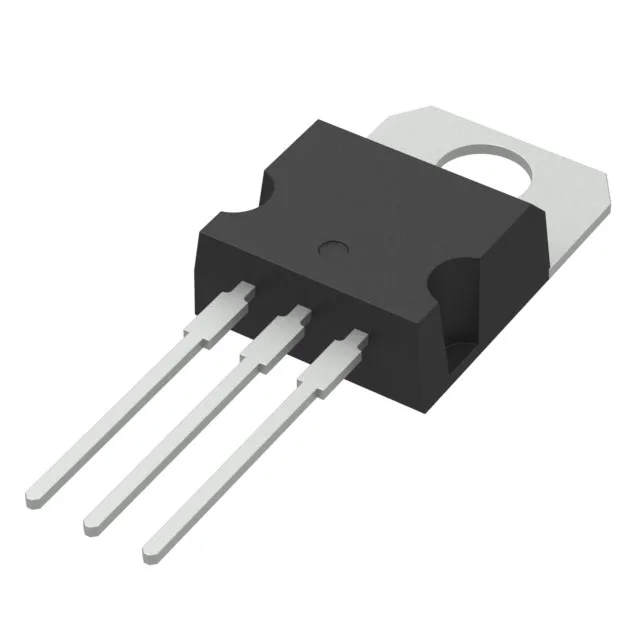
40 V, 20 A Schottky rectifier in a common-cathode TO-220 pair
The forward voltage is specified at 530 mV at 20 A, which keeps conduction losses manageable in high-current low-voltage power conversion stages. The device is classified as a fast recovery rectifier with recovery time ≤ 500 ns at > 200 mA.
Where this Schottky pair fits in a power stage
Common-cathode dual diodes like this one are typically used as output rectifiers in switch-mode power supplies, OR-ing diodes in redundant power feeds, and freewheeling diodes in motor drive or inverter stages. The 40 V blocking voltage suits 12 V and 24 V rails with margin, and the 20 A per-diode rating handles continuous loads in the 10–15 A range per leg when derated. The Schottky technology gives fast switching with negligible reverse recovery charge, which reduces switching losses in high-frequency converters.
Buyers should qualify any alternate or replacement part for fit, thermal performance, and electrical margin before committing the BOM line.
The 40 V reverse voltage rating sets the maximum DC bus voltage this rectifier can block. In a 24 V system with 20% transient headroom, the margin is comfortable; in a 48 V nominal rail the margin disappears. The 530 mV forward drop at 20 A gives a conduction loss of roughly 10.6 W per diode at full rated current, which drives the thermal management requirement. The 800 µA reverse leakage at 40 V is typical for a 40 V Schottky and should be factored into standby loss budgets.