The 68 V drain-source rating (Vdss) gives headroom for 48 V bus architectures common in telecom rectifiers, battery chargers, and motor drives, though the margin above a 48 V rail is tight — derate for transients. The driver must supply that charge per switching cycle; a 1 A gate driver at 100 kHz would spend about 10% of the period charging the gate, so verify the drive strength against your switching frequency and desired rise time. Input capacitance (Ciss) is 5850 pF at 25 V drain-source, which influences the gate drive power and switching losses. The wide range also means the part can survive brief overloads, but continuous operation above 150°C junction accelerates aging — plan the thermal budget accordingly.
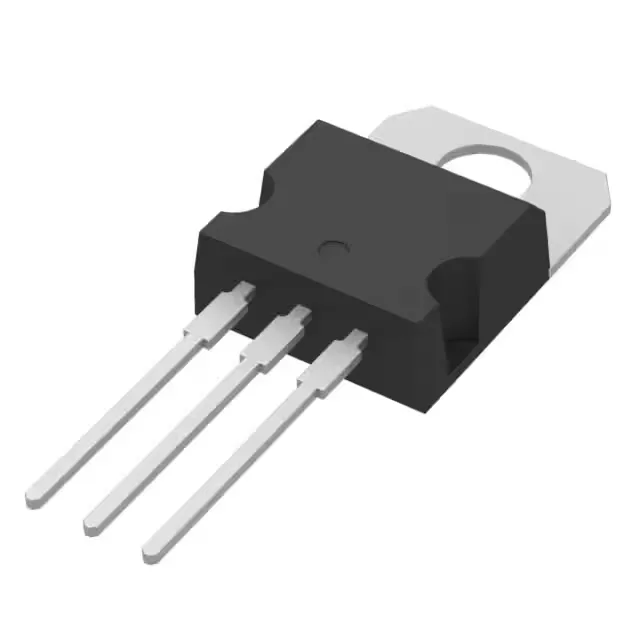
Housed in a standard TO-220-3 through-hole package (supplier device package TO-220), this part mounts into a PCB or heatsink with a single M3 screw and thermal interface material. The tab is the drain, so the heatsink may be at drain potential — insulate or use a thermal pad if the heatsink is grounded. The through-hole format is preferred for prototyping, repair, and high-reliability connections where solder-joint fatigue from thermal cycling is a concern.