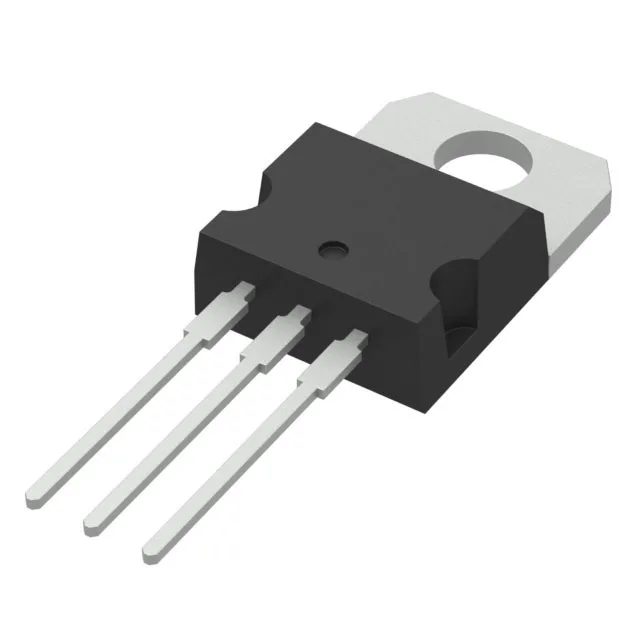
STMicroelectronics STP33N60DM6 — Discrete Semiconductors

STP33N60DM6 MOSFET, N-Channel 600 V, 128 mOhm, TO-220-3

MPNSTP33N60DM6
Active

STMicroelectronics MDmesh M6 N-channel MOSFET, STP33N60DM6, 600 V Vdss, 128 mOhm Rds(on) at 10 V, 25 A continuous drain, TO-220-3 through-hole package, -55 to 150 °C junction range.

$5.1900Ref. price · indicative, final on quote
Independent supplier — new & surplus stockAuthenticity-screened · ESD-safe packingListing updated Aug 2026

Specifications

STP33N60DM6 specifications
ParameterValue
SeriesMDmesh™ M6
FET typeN-Channel
MountingThrough Hole
Drain to source voltage600 V
Drive voltage (Max rds on, min rds on)10V
Current - continuous drain (Id) @ 25°C25A (Tc)
Power dissipation190W (Tc)
Operating temperature-55°C ~ 150°C (TJ)
PackageTube
Vgs±25V
TechnologyMOSFET (Metal Oxide)
CaseTO-220-3
Vgs(th) (Max) @ id4.75V @ 250µA
Rds on (Max) @ id, vgs128mOhm @ 12.5A, 10V
Gate charge (Qg) (Max) @ vgs35 nC @ 10 V
Input capacitance (Ciss) (Max) @ vds1500 pF @ 100 V

Product details

The 35 nC figure keeps the gate-drive power modest — a typical 10 V driver delivering 1 A peak can charge the gate in about 35 ns. The low Qg relative to the Rds(on) gives a competitive figure of merit for hard-switched topologies like PFC and flyback converters.

The exposed metal tab is the drain connection — the mounting hole and tab surface must be electrically isolated or connected to the drain node.

Temperature range and derating

The ±25 V maximum gate-source rating gives headroom for gate-drive overshoot in switched-mode supplies.

Frequently asked questions

What is the exact Rds(on) of STP33N60DM6 at 10V?

This value is specified at 25 °C junction temperature; at 125 °C the Rds(on) typically increases to about 240-250 mOhm.

Does STP33N60DM6 require a heatsink?

At 25 A continuous drain current the power dissipation can exceed 190 W at the case, so a heatsink is required for any sustained operation. The TO-220 package tab must be mounted to a heatsink with adequate thermal interface material to keep the junction temperature within the -55 °C to 150 °C range.