The STP30NM50N is an STMicroelectronics N-channel power MOSFET from the MDmesh™ II series, built for high-voltage switching applications. It is rated for a drain-to-source voltage of 500 V and a continuous drain current of 27 A at 25 °C case temperature. The gate charge is 94 nC at 10 V, and input capacitance measures 2740 pF at 50 V drain-source — numbers that matter when sizing the gate driver and estimating switching losses in a hard-switched topology. Packaged in a through-hole TO-220-3 (supplier device package TO-220), this part is intended for conventional PCB mounting with a heatsink tab. The maximum power dissipation is 190 W at case temperature, and the maximum junction temperature is 150 °C. The gate-source voltage is rated to ±25 V, and the threshold voltage is 4 V maximum at 250 µA drain current.
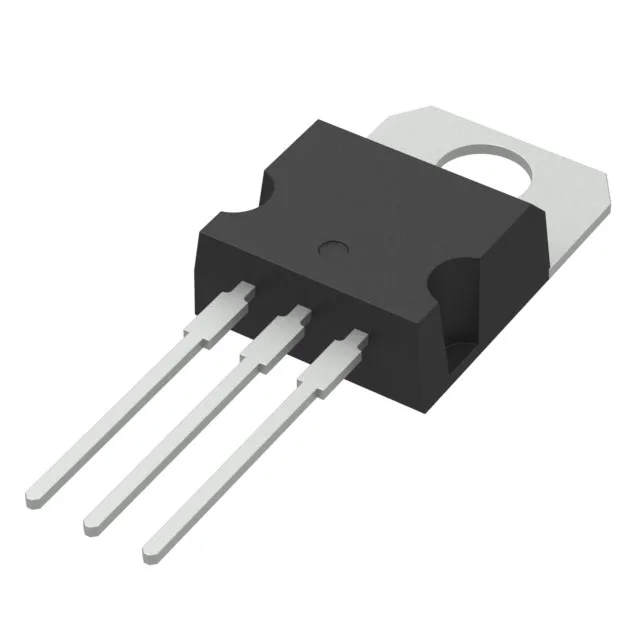
STP30NM50N MOSFET, 500V N-Channel MDmesh II, 115mOhm, TO-220
MPNSTP30NM50N
Obsolete
STMicroelectronics STP30NM50N, MDmesh™ II series N-channel MOSFET, 500V Vdss, 27A Id, 115mOhm Rds(on) at 10V, 94nC gate charge, TO-220-3 through-hole package.
Independent supplier — new & surplus stockAuthenticity-screened · ESD-safe packingListing updated Jul 2026
Specifications
| Parameter | Value |
|---|---|
| Series | MDmesh™ II |
| FET type | N-Channel |
| Mounting | Through Hole |
| Drain to source voltage | 500 V |
| Drive voltage (Max rds on, min rds on) | 10V |
| Current - continuous drain (Id) @ 25°C | 27A (Tc) |
| Power dissipation | 190W (Tc) |
| Operating temperature | 150°C (TJ) |
| Package | Tube |
| Vgs | ±25V |
| Technology | MOSFET (Metal Oxide) |
| Case | TO-220-3 |
| Vgs(th) (Max) @ id | 4V @ 250µA |
| Rds on (Max) @ id, vgs | 115mOhm @ 13.5A, 10V |
| Gate charge (Qg) (Max) @ vgs | 94 nC @ 10 V |
| Input capacitance (Ciss) (Max) @ vds | 2740 pF @ 50 V |
Product details
Frequently asked questions
What is the replacement for STP30NM50N?
No official replacement part number is recorded in the lifecycle data. Cross-referencing against other ST MDmesh II or MDmesh V parts with similar ratings is the practical path, but each candidate must be validated in the specific circuit.