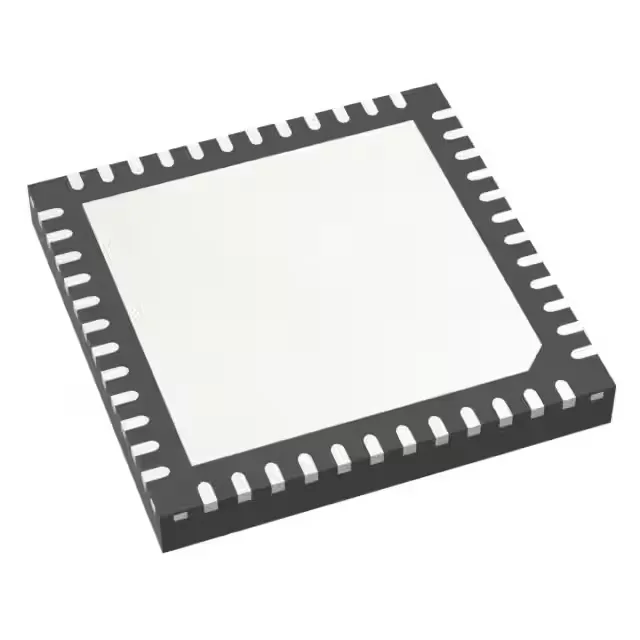
STMicroelectronics STM32L052C6U6 — Microcontrollers & Processors (MCU / MPU / DSP)

STM32L052C6U6 ARM Cortex-M0+ MCU, 32 MHz, 32 KB Flash

MPNSTM32L052C6U6
Active

STMicroelectronics STM32L052C6U6, STM32L0 series, 32-bit ARM Cortex-M0+ MCU, 32 MHz, 32 KB Flash, 8 KB SRAM, 2 KB EEPROM, USB, 1.65 V to 3.6 V, -40°C to 85°C, 48-UFQFPN (7x7 mm).

$2.7005Ref. price · indicative, final on quote
Independent supplier — new & surplus stockAuthenticity-screened · ESD-safe packingListing updated Jul 2026

Specifications

STM32L052C6U6 specifications
ParameterValue
SeriesSTM32L0
MountingSurface Mount
Oscillator typeInternal
Program memory typeFLASH
Voltage - supply (Vcc (Vdd))1.65V ~ 3.6V
Operating temperature-40°C~85°C(TA)
Speed32MHz
PackageTray
RAM size8K x 8
Core size32-Bit Single-Core
EEPROM size2K x 8
PeripheralsBrown-out Detect/Reset, DMA, I²S, POR, PWM, WDT
ConnectivityI²C, IrDA, SPI, UART/USART, USB
Number of i (O)37
Core processorARM® Cortex®-M0+
Case48-UFQFN Exposed Pad
Data convertersA/D 10x12b; D/A 1x12b
Program memory size32KB (32K x 8)

Product details

With USB connectivity, a 12-bit ADC (10 channels), and a 12-bit DAC, it targets sensor nodes, IoT endpoints, and portable instruments where every microamp counts.

Supply rail flexibility — 1.65 V minimum

The 1.65 V minimum supply is the standout feature for single-cell battery designs. A 1.5 V alkaline cell fresh off the shelf sits at 1.6 V, so the MCU boots and runs without a regulator. At the 3.6 V top end it can take a Li-Po cell direct.

48-UFQFPN package — layout notes

The pad is electrically connected to VSS, so the via pattern must not short to other nets.

Listed as Active by STMicroelectronics.

Frequently asked questions

What is the flash size of STM32L052C6U6?

That is enough for a lightweight RTOS, sensor-fusion firmware, or a USB CDC stack.

Can STM32L052C6U6 be programmed with ST-Link?

Yes, the STM32L052C6U6 has a standard SWD debug interface (part of the STM32L0 family). An ST-Link/V2 or ST-Link/V3 programmer connects to the SWDIO and SWCLK pins. The internal oscillator is enabled by default, so no external clock is needed for first programming.