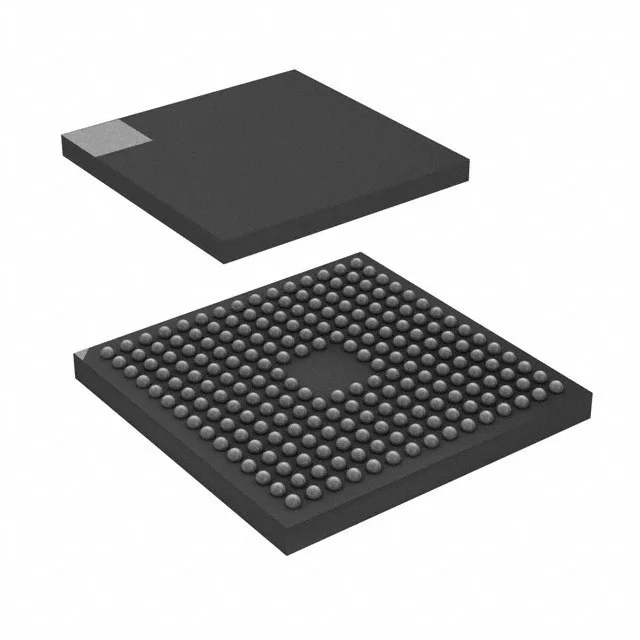
STMicroelectronics STM32F767NIH7 — Microcontrollers & Processors (MCU / MPU / DSP)

STM32F767NIH7 STM32F7 MCU, 216MHz Cortex-M7, 2MB Flash

MPNSTM32F767NIH7
Active

STMicroelectronics STM32F7 series, STM32F767NIH7, ARM Cortex-M7 32-Bit Single-Core MCU, 216MHz, 2MB Flash, 512K x 8 RAM, 168 I/O, CANbus/Ethernet/USB OTG, 216-TFBGA, -40°C to 105°C.

$23.1800Ref. price · indicative, final on quote
Packaging216-TFBGA
RoHSROHS3 Compliant
SeriesSTM32F7
Independent supplier — new & surplus stockAuthenticity-screened · ESD-safe packingListing updated Aug 2026

Specifications

STM32F767NIH7 specifications
ParameterValue
SeriesSTM32F7
MountingSurface Mount
Oscillator typeInternal
Program memory typeFLASH
Voltage - supply (Vcc (Vdd))1.7V ~ 3.6V
Operating temperature-40°C ~ 105°C (TA)
Speed216MHz
PackageTray
RAM size512K x 8
Core size32-Bit Single-Core
PeripheralsBrown-out Detect/Reset, DMA, I2S, LCD, POR, PWM, WDT
ConnectivityCANbus, EBI/EMI, Ethernet, I2C, IrDA, LINbus, MMC/SD/SDIO, QSPI, SAI, SPDIF, SPI, UART/USART, USB OTG
Number of i (O)168
Core processorARM® Cortex®-M7
Case216-TFBGA
Data convertersA/D 24x12b; D/A 2x12b
Program memory size2MB (2M x 8)

Product details

216 MHz Cortex-M7 — the core that sets the performance tier

It packs 2 MB of Flash and 512 KB of SRAM on a single die, targeting applications that need DSP-class number crunching, high-speed connectivity, and real-time control without an external memory bus. Typical deployments include industrial motor drives, multi-protocol gateways (Ethernet + CAN + USB), high-end HMI panels with graphical displays, and audio processing chains where the Cortex-M7's single-cycle multiply-accumulate and hardware FPU make a measurable difference in loop throughput.

Connectivity and peripherals — Ethernet, dual CAN, and 168 I/O

The 168 general-purpose I/O pins give ample headroom for parallel displays, external memory buses (EBI/EMI), and sensor arrays. The built-in LCD controller and TFT driver support direct connection to a parallel RGB panel, simplifying the BOM for HMI designs that would otherwise need an external graphics controller.

216-ball TFBGA — routing and thermal considerations

Housed in a 216-ball TFBGA (13x13 mm body), this package demands a multi-layer PCB with microvias or blind vias to route the dense ball array. The fine pitch (0.8 mm typical) means the board house needs capability for via-in-pad or at least a 4-layer stack-up. On the positive side, the BGA offers excellent thermal dissipation through the central ground balls — useful when the core is running sustained DSP loads at 216 MHz in a 105°C ambient.

STMicroelectronics lists the STM32F767NIH7 as Active. The ROHS3 compliance covers the EU RoHS exemption landscape through 2024 and beyond.

Frequently asked questions

What is the maximum clock speed of STM32F767NIH7?

The STM32F767NIH7 runs at a maximum core clock of 216 MHz. That is the Cortex-M7's rated speed for this device; the PLL can generate it from an external crystal or the internal oscillator. At that frequency, the Flash requires a minimum of 7 wait states (per the STM32F7 reference manual) to avoid a hard fault on the first instruction fetch.

Does STM32F767NIH7 have a CAN bus interface?

Yes, the connectivity block includes CANbus interfaces (two CAN 2.0B controllers). They share pins with other peripherals, so the actual number of available CAN channels depends on the pin multiplexing configuration in your design.