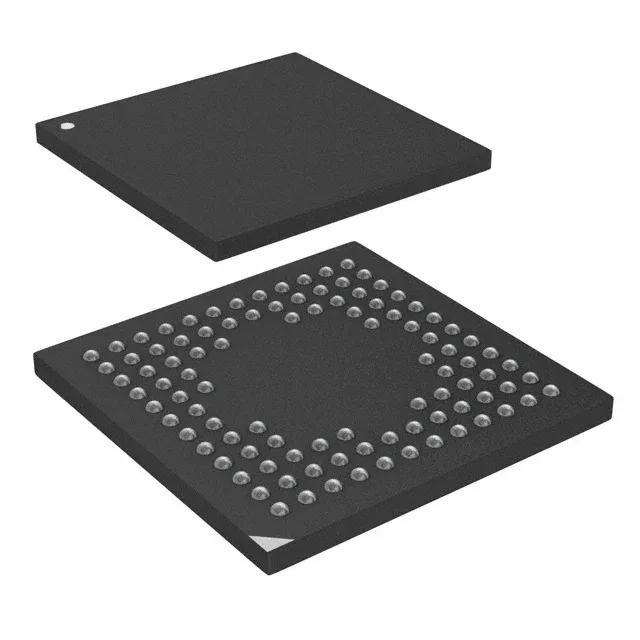
STMicroelectronics STM32F756VGH6 — Microcontrollers & Processors (MCU / MPU / DSP)

STM32F756VGH6 ARM Cortex-M7 MCU, 216 MHz, 1 MB Flash

MPNSTM32F756VGH6
Active

STMicroelectronics STM32F7 series, ARM Cortex-M7, 32-bit single-core MCU, 216 MHz, 1 MB Flash, 512K x 8 RAM, 82 I/O, CANbus, Ethernet, HDMI-CEC, I²C, IrDA, LINbus, MMC/SD, SAI, SPDIFRX, SPI, UART/USART, USB OTG, A/D 24x12b; D/A 2x12b, -40°C to 85°C, 100-TFBGA package.

$11.3591Ref. price · indicative, final on quote
Independent supplier — new & surplus stockAuthenticity-screened · ESD-safe packingListing updated Jul 2026

Specifications

STM32F756VGH6 specifications
ParameterValue
SeriesSTM32F7
MountingSurface Mount
Oscillator typeInternal
Program memory typeFLASH
Voltage - supply (Vcc (Vdd))1.7V ~ 3.6V
Operating temperature-40°C ~ 85°C (TA)
Speed216MHz
PackageTray
RAM size512K x 8
Core size32-Bit Single-Core
PeripheralsBrown-out Detect/Reset, DMA, LCD, POR, PWM, WDT
ConnectivityCANbus, Ethernet, HDMI-CEC, I²C, IrDA, LINbus, MMC/SD, SAI, SPDIFRX, SPI, UART/USART, USB OTG
Number of i (O)82
Core processorARM® Cortex®-M7
Case100-TFBGA
Data convertersA/D 24x12b; D/A 2x12b
Program memory size1MB (1M x 8)

Product details

216 MHz Cortex-M7 with industrial connectivity

The STM32F756VGH6: 512 KB SRAM supports framebuffers or communication buffers without external memory.

100-TFBGA: not a field-swap part

The package is a 100-ball TFBGA, 8x8 mm body. The 82 I/O are enough for a parallel LCD, external memory bus, and a handful of sensors or actuators.

ST is still manufacturing and supporting it for new designs. There is no last-time-buy clock ticking, no forced redesign.

Frequently asked questions

What is the maximum clock speed of STM32F756VGH6?

The maximum core clock speed is 216 MHz. That puts it at the top end of the STM32F7 series for single-core Cortex-M7 parts.

What are the alternatives to STM32F756VGH6?

Pin-compatible alternatives within the STM32F7 family include the STM32F745 and STM32F765 series parts in the same 100-TFBGA footprint. The main differences are Flash size, RAM, and peripheral set — check the specific order code for your required memory and feature mix.