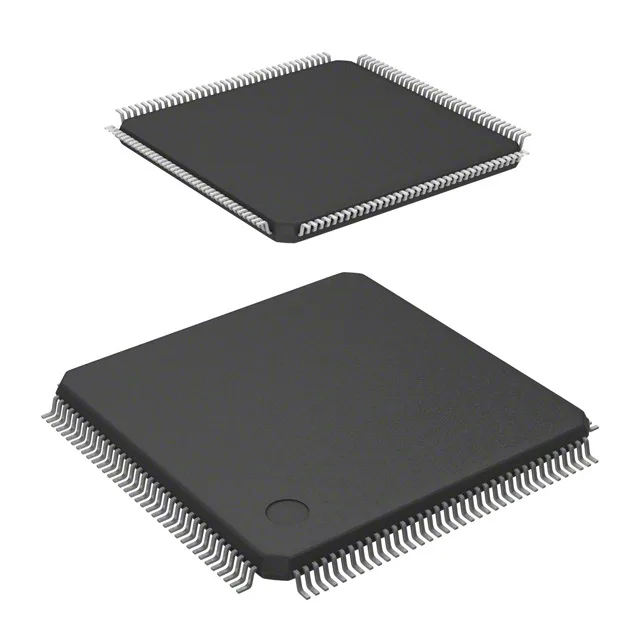
STM32F746ZET6 — STMicroelectronics 216MHz ARM Cortex-M7 MCU, 512KB FLASH, 144-LQ
STMicroelectronics STM32F7 series, 32-bit ARM Cortex-M7 single-core MCU at 216MHz; 512KB FLASH, 320KB SRAM; 114 I/O; Ethernet, USB OTG, CAN, I2C, SPI, UART; 24-channel 12-bit ADC, 2-channel 12-bit DAC; 1.7–3.6V supply; -40 to 85°C; 144-LQFP tray.
- 100% new & originalTraceable channels only — no refurbs, no pulls, no remarked parts.
- Date & lot codes on quoteStated per line before you commit; label photos on request.
- MSL-compliant ESD packingMoisture-sealed bags with indicator cards; reels photo-verified.
- PayPal buyer protectionPay by T/T, PayPal or Payoneer — card payments covered end to end.
Specifications
| Parameter | Value |
|---|---|
| Series | STM32F7 |
| Mounting type | Surface Mount |
| Oscillator type | Internal |
| Program memory type | FLASH |
| Voltage - supply (Vcc (Vdd)) | 1.7V ~ 3.6V |
| Operating temperature | -40°C~85°C(TA) |
| Speed | 216MHz |
| Package | Tray |
| RAM size | 320K x 8 |
| Core size | 32-Bit Single-Core |
| Peripherals | Brown-out Detect/Reset, DMA, I²S, LCD, POR, PWM, WDT |
| Connectivity | CANbus, EBI/EMI, Ethernet, I²C, IrDA, LINbus, SAI, SD, SPDIF-Rx, SPI, UART/USART, USB OTG |
| Number of i (O) | 114 |
| Core processor | ARM® Cortex®-M7 |
| Case | 144-LQFP |
| Data converters | A/D 24x12b; D/A 2x12b |
| Program memory size | 512KB (512K x 8) |
Frequently asked questions
Does this part come dry-packed and what MSL rating applies?
The STM32F746ZET6 ships in tray packaging, standard for its 144-LQFP package. Dry-pack MSL rating and the associated peak reflow temperature limit should be confirmed against the specific date code of the lot being sourced — tray parts from different production runs can carry different MSL classifications. Request the MSL cert with any order.
Can I drop this into a design that used a 100-pin STM32F4 layout?
The 144-LQFP pinout provides 114 I/O versus the 100-pin family's smaller complement. Port remapping is required — the additional pins map to extended functions on ports B, D, E, and G, including additional ADC channels and timer outputs. Alternate-function conflicts on ports PE and PG should be verified against the pinout table for the specific alternate-function assignments needed by your firmware.