216 MHz Cortex-M7 with 1 MB Flash — the signal-processing tier
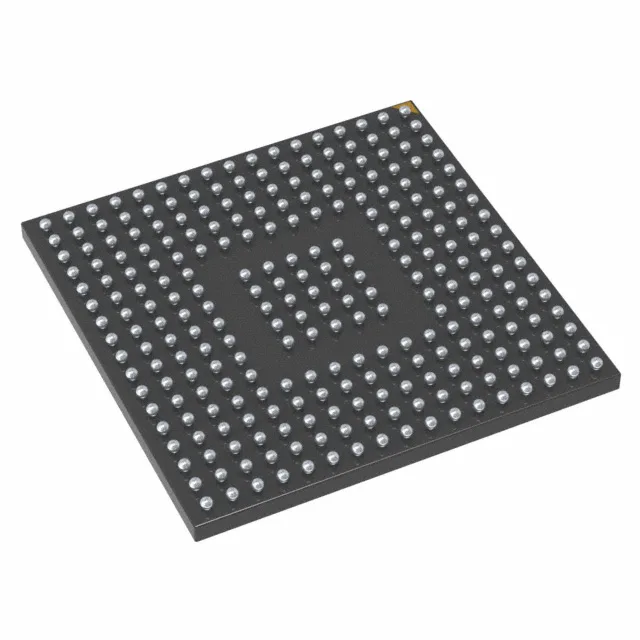
The 201-ball UFBGA (10x10 mm) packs 140 I/O, so expect a 4- or 6-layer PCB to route the BGA fanout and the peripherals you actually use. This is the part you pick when the application needs the DSP extensions and single-cycle MAC of the Cortex-M7, not just a faster M4. The 216 MHz clock and the 1 MB Flash put it in the tier for motor-control with encoder feedback, audio processing, or a human-machine interface with a display — the LCD controller is listed in the peripherals, and the SAI and SPDIF-Rx interfaces handle digital audio.
Connectivity set: Ethernet, CAN, and USB OTG on one chip
For an industrial gateway or a programmable-logic-controller front end, this single MCU covers the fieldbus, the HMI display, and the backhaul link. The 24-channel 12-bit ADC and the two 12-bit DACs handle analog I/O without an external converter in many cases.
Package reality: BGA assembly and rework
The 176+25 UFBGA (10x10 mm) is a fine-pitch BGA — expect a 0.5 mm or 0.65 mm ball pitch. That means controlled reflow profile, X-ray inspection after assembly, and a hot-air rework station with a nozzle that matches the body size. The 140 I/O count means most of the balls are used, so route the breakouts carefully to avoid via-in-pad if your fab process doesn't support it.