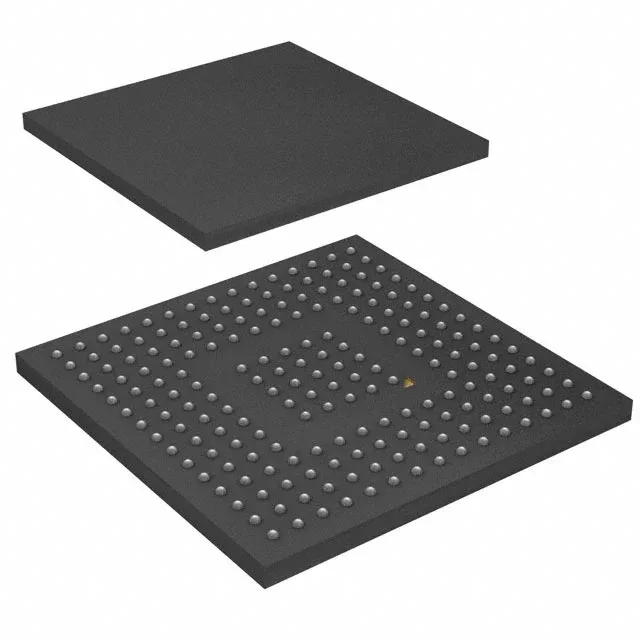
STMicroelectronics STM32F722IEK6 — Microcontrollers & Processors (MCU / MPU / DSP)

STM32F722IEK6 MCU, ARM Cortex-M7, 216 MHz, 512KB Flash

MPNSTM32F722IEK6
Active

STMicroelectronics STM32F7 series, STM32F722IEK6, ARM Cortex-M7 32-Bit Single-Core MCU, 216MHz, 512KB Flash, 256K x 8 RAM, 140 I/O, 1.7V~3.6V, -40°C~85°C, 176-UFBGA (10x10).

$14.8800Ref. price · indicative, final on quote
Packaging176-UFBGA
RoHSROHS3 Compliant
SeriesSTM32F7
Independent supplier — new & surplus stockAuthenticity-screened · ESD-safe packingListing updated Aug 2026

Specifications

STM32F722IEK6 specifications
ParameterValue
SeriesSTM32F7
MountingSurface Mount
Oscillator typeInternal
Program memory typeFLASH
Voltage - supply (Vcc (Vdd))1.7V ~ 3.6V
Operating temperature-40°C ~ 85°C (TA)
Speed216MHz
PackageTray
RAM size256K x 8
Core size32-Bit Single-Core
PeripheralsBrown-out Detect/Reset, DMA, I²S, POR, PWM, WDT
ConnectivityCANbus, EBI/EMI, I²C, IrDA, LINbus, MMC/SD, QSPI, SAI, SPI, UART/USART, USB
Number of i (O)140
Core processorARM® Cortex®-M7
Case176-UFBGA
Data convertersA/D 24x12b; D/A 2x12b
Program memory size512KB (512K x 8)

Product details

The STM32F722IEK6 is an STMicroelectronics 32-bit MCU built around an ARM Cortex-M7 core clocked at 216 MHz. The 140 I/O pins give you room for parallel buses, multiple UART/SPI/I²C interfaces, and direct sensor connections without a GPIO expander.

No lab, no bench? If you are swapping this in the field, you will want a hot-air station and a stencil; it is not a socketed DIP you can pop in a parking lot.

Lifecycle — no LTB risk here

No last-time-buy clock is ticking. For a production BOM, this is a low-risk line item to commit.

Frequently asked questions

How does STM32F722IEK6 compare to STM32L151CBU6A?

The STM32L151CBU6A is a lower-power Cortex-M3 MCU at 32 MHz with 37 I/O, while the STM32F722IEK6 runs a Cortex-M7 at 216 MHz with 140 I/O. The L151 is for battery-operated or energy-harvesting designs; the F722 is for performance-intensive industrial or compute tasks. They are not pin-compatible or functional substitutes.