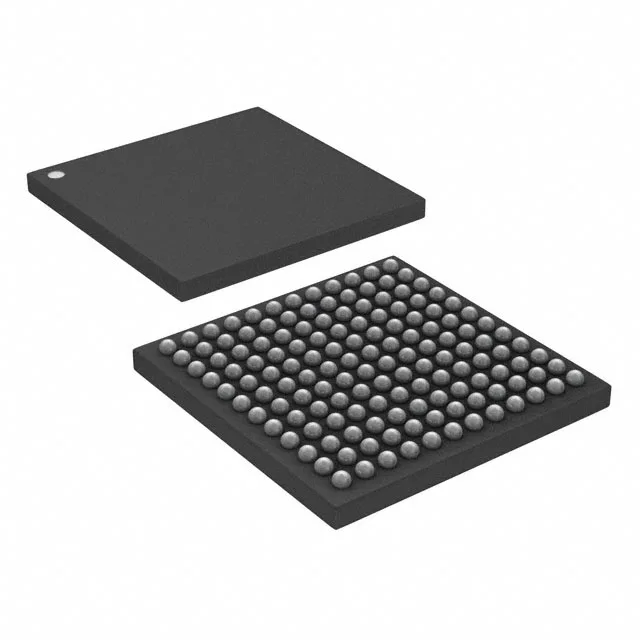
STMicroelectronics STM32F446ZCH7 — Microcontrollers & Processors (MCU / MPU / DSP)

STM32F446ZCH7 ARM Cortex-M4 MCU, 180 MHz, 256 KB Flash

MPNSTM32F446ZCH7
End of Life

STMicroelectronics STM32F4 series ARM Cortex-M4 MCU, STM32F446ZCH7, 180MHz, 256KB flash, 128KB RAM, 114 I/O, 144-UFBGA (7x7mm), 1.7–3.6V supply, -40 to 105°C, USB OTG, CANbus, 24x12b ADC, 2x12b DAC, tray.

$5.7118Ref. price · indicative, final on quote
Independent supplier — new & surplus stockAuthenticity-screened · ESD-safe packingListing updated Jul 2026

Specifications

STM32F446ZCH7 specifications
ParameterValue
SeriesSTM32F4
MountingSurface Mount
Oscillator typeInternal
Program memory typeFLASH
Voltage - supply (Vcc (Vdd))1.7V ~ 3.6V
Operating temperature-40°C ~ 105°C (TA)
Speed180MHz
PackageTray
RAM size128K x 8
Core size32-Bit Single-Core
PeripheralsBrown-out Detect/Reset, DMA, I²S, LVD, POR, PWM, WDT
ConnectivityCANbus, EBI/EMI, I²C, IrDA, LINbus, SAI, SD, SPDIF-Rx, SPI, UART/USART, USB, USB OTG
Number of i (O)114
Core processorARM® Cortex®-M4
Case144-UFBGA
Data convertersA/D 24x12b; D/A 2x12b
Program memory size256KB (256K x 8)

Product details

180 MHz Cortex-M4 with FPU — compute headroom for real-time control

The 114 I/O lines, routed through a 144-UFBGA (7x7 mm) package, support dense mixed-signal designs where board area is tight. The peripheral set includes CANbus, USB OTG, SAI, SPDIF-Rx, and an EBI/EMI memory controller — enough to bridge to external SRAM, FRAM, or a parallel LCD without a CPLD.

That means no last-time-buy clock is running, and the part remains eligible for new-design-in. The base product number STM32F446 covers a density-and-package family; if the 144-UFBGA footprint is not mandatory, the LQFP-144 variant (STM32F446ZET6) shares the same core and peripheral set for a simpler rework process.

Frequently asked questions

What is the difference between the STM32F446ZCH7 and the STM32F446ZET6?

The STM32F446ZCH7 is in a 144-UFBGA (7x7 mm) package, while the STM32F446ZET6 is in an LQFP-144. Both share the same 180 MHz Cortex-M4 core, 256 KB Flash, 128 KB RAM, and peripheral set. The BGA saves board area but requires a more controlled assembly process.