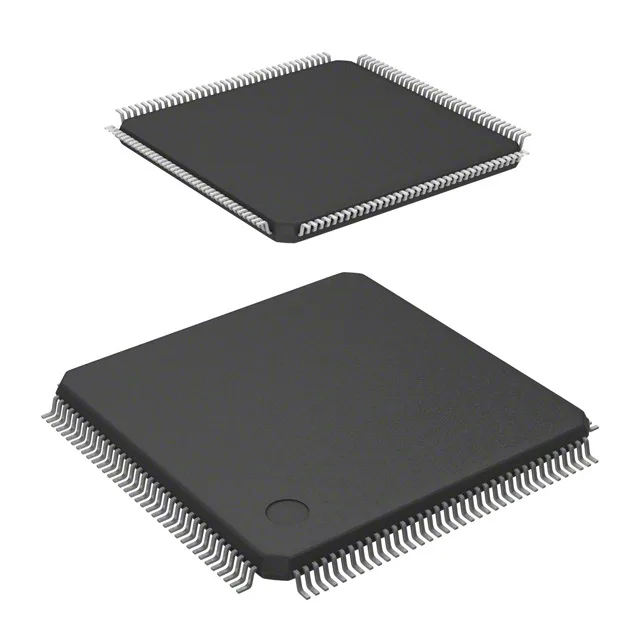
STMicroelectronics STM32F429ZIT6E — Microcontrollers & Processors (MCU / MPU / DSP)

STM32F429ZIT6E — STM32F4 180MHz MCU, 2MB Flash, 144-LQFP

MPNSTM32F429ZIT6E
End of Life

STMicroelectronics STM32F4 series, STM32F429ZIT6E, ARM Cortex-M4 32-bit single-core at 180MHz, 2MB FLASH, 256KB SRAM, 114 I/O, Ethernet, USB OTG, 24-channel 12-bit ADC, 2-channel 12-bit DAC, LCD controller, 1.8–3.6V supply, -40°C to 85°C, 144-LQFP tray.

$19.0200Ref. price · indicative, final on quote
StockContact for availability
MOQ1 pcs
  • 100% new & originalTraceable channels only — no refurbs, no pulls, no remarked parts.
  • Date & lot codes on quoteStated per line before you commit; label photos on request.
  • MSL-compliant ESD packingMoisture-sealed bags with indicator cards; reels photo-verified.
  • PayPal buyer protectionPay by T/T, PayPal or Payoneer — card payments covered end to end.

Specifications

STM32F429ZIT6E Technical Specifications
ParameterValue
SeriesSTM32F4
Mounting typeSurface Mount
Oscillator typeInternal
Program memory typeFLASH
Voltage - supply (Vcc (Vdd))1.8V ~ 3.6V
Operating temperature-40°C ~ 85°C (TA)
Speed180MHz
PackageTray
RAM size256K x 8
Core size32-Bit Single-Core
PeripheralsBrown-out Detect/Reset, DMA, I²S, LCD, POR, PWM, WDT
ConnectivityCANbus, EBI/EMI, Ethernet, I²C, IrDA, LINbus, SPI, UART/USART, USB OTG
Number of i (O)114
Core processorARM® Cortex®-M4
Case144-LQFP
Data convertersA/D 24x12b; D/A 2x12b
Program memory size2MB (2M x 8)

Frequently asked questions

Does the STM32F429ZIT6E support RMII Ethernet like the STM32F407VGT6, and what I/O voltage do the Ethernet signals use?

The integrated Ethernet MAC on the STM32F429ZIT6E supports both MII and RMII PHY interfaces, so it is compatible with standard RMII PHYs used in Profinet and EtherNet gateway panels. The Ethernet signal voltage follows the device Vdd supply (1.8–3.6V); verify your PHY is level-compatible with the selected rail before layout.

At 70°C ambient inside an enclosure, does the -40°C to 85°C rating force derating of the 180MHz clock?

The 85°C ambient ceiling does not automatically force derating if the LQFP thermal pad is well-soldered to a ground plane and the junction stays below 125°C. However, many designs running near thermal limits reduce the clock to 168MHz as a conservative margin step; flash wait-state configuration must match the PLL frequency precisely to avoid instruction fetch errors at temperature.

Can I use the internal oscillator for USB OTG at 180MHz over the full temperature range?

The internal 16MHz HSI oscillator does not meet USB OTG clock tolerance specifications across the full -40°C to 85°C range. USB OTG full-speed operation requires an external crystal or a calibrated PLL trim routine in firmware — a common oversight that surfaces as enumeration failures in production test at temperature extremes.