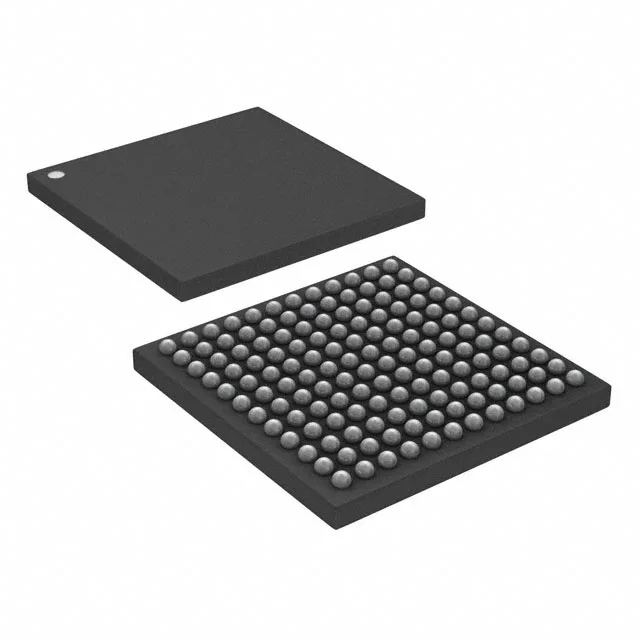
STMicroelectronics STM32F103ZGH6 — Microcontrollers & Processors (MCU / MPU / DSP)

STM32F103ZGH6 STM32F1 MCU, 72MHz, 1MB Flash, 144-BGA

MPNSTM32F103ZGH6
Active

ST STM32F1 series, STM32F103ZGH6, ARM Cortex-M3, 32-bit, 72MHz, 1MB Flash, 96K x 8 RAM, 112 I/O, CANbus, USB, 144-LFBGA, -40°C to 85°C.

$14.4600Ref. price · indicative, final on quote
Packaging144-LFBGA
RoHSROHS3 Compliant
SeriesSTM32F1
Independent supplier — new & surplus stockAuthenticity-screened · ESD-safe packingListing updated Aug 2026

Specifications

STM32F103ZGH6 specifications
ParameterValue
SeriesSTM32F1
MountingSurface Mount
Oscillator typeInternal
Program memory typeFLASH
Voltage - supply (Vcc (Vdd))2V ~ 3.6V
Operating temperature-40°C ~ 85°C (TA)
Speed72MHz
PackageTray
RAM size96K x 8
Core size32-Bit Single-Core
PeripheralsDMA, Motor Control PWM, PDR, POR, PVD, PWM, Temp Sensor, WDT
ConnectivityCANbus, I²C, IrDA, LINbus, SPI, UART/USART, USB
Number of i (O)112
Core processorARM® Cortex®-M3
Case144-LFBGA
Data convertersA/D 21x12b; D/A 2x12b
Program memory size1MB (1M x 8)

Product details

72 MHz Cortex-M3 with 1 MB Flash — what it buys you

It packs 112 I/O lines, a full set of peripherals including DMA, motor-control PWM, multiple 12-bit ADCs and DACs, plus CAN, USB, and multiple serial interfaces.

BGA routing and rework notes

The 144-LFBGA is a 0.8 mm pitch BGA — four-layer board minimum, but six layers make routing the 112 I/O and supply pours manageable. The centre pad is not an exposed thermal paddle; heat dissipation goes through the BGA balls, so a via-in-pad or thermal via array under the package helps keep junction temperature in check if you are pushing the core and peripherals simultaneously.

Frequently asked questions

How does STM32F103ZGH6 compare to STM32F103ZGT6?

The STM32F103ZGT6 is the LQFP-144 variant of the same die — same 72 MHz core, same 1 MB Flash and 96 KB SRAM, same peripheral set. The ZGH6 uses a 144-LFBGA package (0.8 mm pitch), while the ZGT6 uses a 144-LQFP (0.5 mm pitch). The choice is purely footprint and board-assembly preference: BGA saves board area but requires a multi-layer PCB and X-ray inspection; LQFP is easier to route and rework manually.