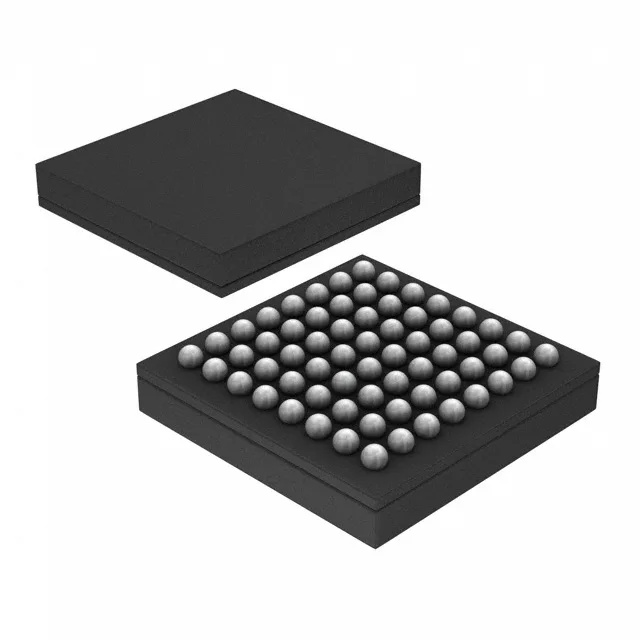
STMicroelectronics STM32F103RBH7 — Microcontrollers & Processors (MCU / MPU / DSP)

STM32F103RBH7 STM32F1 ARM Cortex-M3 MCU, 72 MHz

MPNSTM32F103RBH7
Active

STMicroelectronics STM32F1 series STM32F103RBH7, ARM Cortex-M3 32-bit MCU, 72 MHz, 128 KB Flash, 20 KB SRAM, 51 I/O, CAN/I²C/SPI/USART/USB, 64-TFBGA, -40 to 105°C.

$8.0300Ref. price · indicative, final on quote
Independent supplier — new & surplus stockAuthenticity-screened · ESD-safe packingListing updated Jul 2026

Specifications

STM32F103RBH7 specifications
ParameterValue
SeriesSTM32F1
MountingSurface Mount
Oscillator typeInternal
Program memory typeFLASH
Voltage - supply (Vcc (Vdd))2V ~ 3.6V
Operating temperature-40°C ~ 105°C (TA)
Speed72MHz
PackageTray
RAM size20K x 8
Core size32-Bit Single-Core
PeripheralsDMA, Motor Control PWM, PDR, POR, PVD, PWM, Temp Sensor, WDT
ConnectivityCANbus, I²C, IrDA, LINbus, SPI, UART/USART, USB
Number of i (O)51
Core processorARM® Cortex®-M3
Case64-TFBGA
Data convertersA/D 16x12b
Program memory size128KB (128K x 8)

Product details

The 72 MHz core, paired with the single-cycle multiply and hardware divide of the Cortex-M3, gives you deterministic interrupt latency for motor-control PWM or CAN message handling without a separate co-processor.

The on-chip peripherals include DMA, multiple PWM channels with dead-time insertion for motor control, a temperature sensor, and a full set of watchdogs (PDR, POR, PVD).

64-TFBGA — footprint and assembly considerations

The 64-TFBGA (5x5 mm) package saves board area compared to an LQFP64, but it demands a multi-layer PCB for fanout — you can't route all 51 I/O on a two-layer board without blind vias.

STMicroelectronics lists the STM32F103RBH7 as Active. The base product number is STM32F103, so PCNs and errata are published under that umbrella — worth subscribing to if you're shipping volume.

Frequently asked questions

Can STM32F103RBH7 replace STM32F103RBT6?

The STM32F103RBT6 has 128 KB Flash and 20 KB SRAM — the same memory configuration as the RBH7 — but it comes in an LQFP64 package, not the 64-TFBGA. The core, speed grade, and peripheral set are identical, so a firmware binary built for the RBT6 will run on the RBH7. The board layout, however, must change to accommodate the BGA footprint and its fanout requirements.