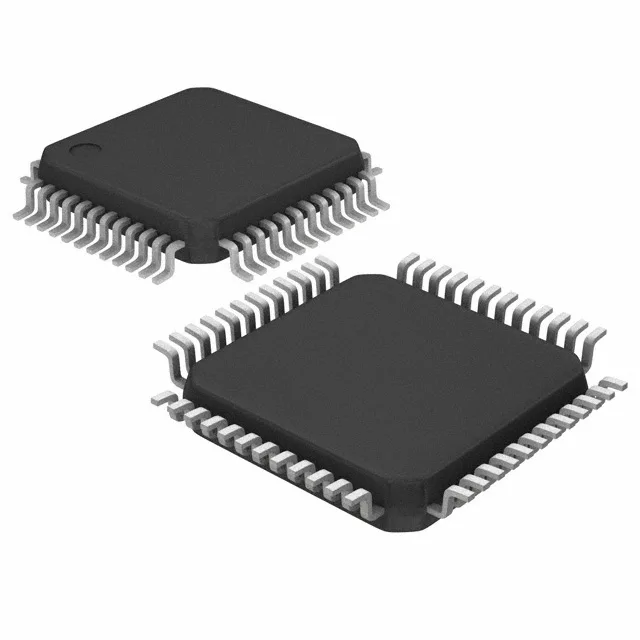
STMicroelectronics STM32F101C4T6A — Microcontrollers & Processors (MCU / MPU / DSP)

STM32F101C4T6A ARM Cortex-M3 MCU, 36 MHz, 16 KB Flash

MPNSTM32F101C4T6A
Active

STMicroelectronics STM32F101C4T6A, ARM Cortex-M3 32-bit MCU, 36 MHz, 16 KB Flash, 4 KB RAM, 37 I/O, 48-LQFP, -40 to 85 °C.

$4.8700Ref. price · indicative, final on quote
Independent supplier — new & surplus stockAuthenticity-screened · ESD-safe packingListing updated Jul 2026

Specifications

STM32F101C4T6A specifications
ParameterValue
SeriesSTM32F1
MountingSurface Mount
Oscillator typeInternal
Program memory typeFLASH
Voltage - supply (Vcc (Vdd))2V ~ 3.6V
Operating temperature-40°C ~ 85°C (TA)
Speed36MHz
PackageTray
RAM size4K x 8
Core size32-Bit Single-Core
PeripheralsDMA, PDR, POR, PVD, PWM, Temp Sensor, WDT
ConnectivityI²C, IrDA, LINbus, SPI, UART/USART
Number of i (O)37
Core processorARM® Cortex®-M3
Case48-LQFP
Data convertersA/D 10x12b
Program memory size16KB (16K x 8)

Product details

Value-line Cortex-M3 for cost-sensitive control

The part is built for cost-constrained embedded control where the full-featured STM32F103's USB and extra peripherals aren't needed.

At 36 MHz, this MCU handles UART/SPI/I²C communication, PWM generation, and sensor polling without breaking a sweat. The 16 KB Flash is sized for bootloaders, motor-control loops, or simple protocol stacks — think appliance control panels, fan-speed regulators, or basic I/O expanders.

Surface-mount only, so plan for reflow or selective-solder assembly.

Lifecycle and supply outlook

ST lists the STM32F101C4T6A as Active. If you're stocking for a multi-year program, the active status and wide STM32F1 ecosystem make it a low-risk line item.

Frequently asked questions

What is the difference between STM32F101C4T6A and STM32F103C8T6?

The STM32F103C8T6 is a higher-end sibling in the same STM32F1 family. It runs at 72 MHz (vs 36 MHz), packs 64 KB Flash and 20 KB RAM (vs 16 KB / 4 KB), and adds USB, CAN, and two extra SPI/UART peripherals. The STM32F101C4T6A is the cost-optimized entry point for simpler control tasks where those extras aren't needed. Both share the same 48-LQFP footprint, so a board designed for one can often accept the other with a firmware change.