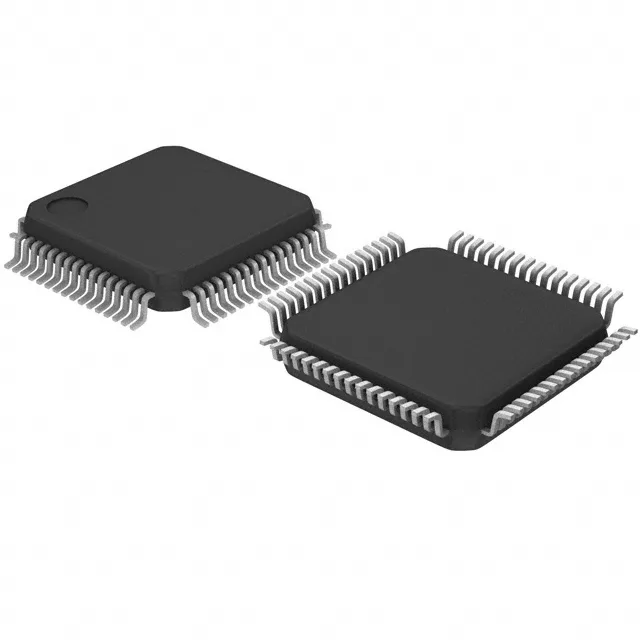
STMicroelectronics STM32F100RDT6BTR — Microcontrollers & Processors (MCU / MPU / DSP)

STM32F100RDT6BTR STM32F1 ARM Cortex-M3 MCU, 24MHz

MPNSTM32F100RDT6BTR
Active

STMicroelectronics STM32F100RDT6BTR, STM32F1 series ARM Cortex-M3 32-bit MCU, 24MHz core, 384KB Flash, 32KB SRAM, 51 I/O, 16x12b ADC, 2x12b DAC, -40°C to 85°C, 64-LQFP (10x10mm), Tape & Reel.

$4.7380Ref. price · indicative, final on quote
Independent supplier — new & surplus stockAuthenticity-screened · ESD-safe packingListing updated Jul 2026

Specifications

STM32F100RDT6BTR specifications
ParameterValue
SeriesSTM32F1
MountingSurface Mount
Oscillator typeInternal
Program memory typeFLASH
Voltage - supply (Vcc (Vdd))2V ~ 3.6V
Operating temperature-40°C ~ 85°C (TA)
Speed24MHz
PackageTape & Reel (TR) Cut Tape (CT)
RAM size32K x 8
Core size32-Bit Single-Core
PeripheralsDMA, PDR, POR, PVD, PWM, Temp Sensor, WDT
ConnectivityI²C, IrDA, LINbus, SPI, UART/USART
Number of i (O)51
Core processorARM® Cortex®-M3
Case64-LQFP
Data convertersA/D 16x12b; D/A 2x12b
Program memory size384KB (384K x 8)

Product details

24 MHz Cortex-M3 value-line — what the ceiling buys

That 24 MHz ceiling is deliberate: it places this part in the cost-optimised tier for control-loop and sensor-fusion tasks where the 72 MHz F103's extra headroom would add BOM cost without benefit.

Peripherals that shrink the BOM

The peripheral set includes DMA, POR, PDR, PVD, a temperature sensor, and a watchdog timer, covering the usual supervision and housekeeping without extra ICs.

The base product number STM32F100 covers a density range; the RDT6 variant with 384 KB Flash and the BTR suffix (Tape & Reel) is a standard catalog item.

Frequently asked questions

Can STM32F100RDT6BTR replace STM32F100RDT6 in an existing design?

Yes — the BTR suffix indicates Tape & Reel packaging for automated assembly; the underlying die, firmware, and pinout are identical to the STM32F100RDT6. It is a drop-in replacement for the same base part, differing only in the shipping medium.

What is the difference between STM32F100RDT6BTR and STM32F100RDT6?

The only difference is the packaging format: the BTR suffix means Tape & Reel (suitable for pick-and-place machines), while the non-BTR variant ships in trays or tubes. The silicon, specifications, and footprint are identical.

Does STM32F100RDT6BTR have any known errata or issues?

STMicroelectronics publishes an STM32F100xx errata sheet covering the entire series. The common items include a DMA2D clock-gating limitation and a USB (not applicable here) issue. Review the latest document for the specific silicon revision before production release.