24 MHz Cortex-M3 with 128 KB Flash — the value-line workhorse
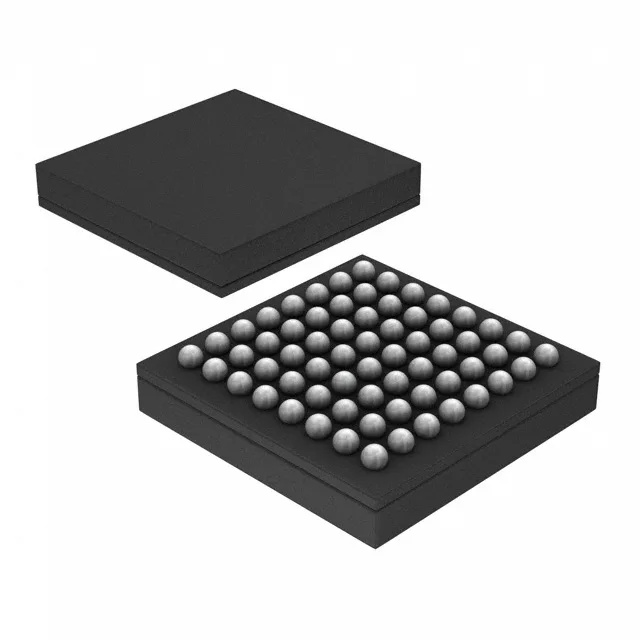
The 64-TFBGA package saves board area compared to an LQFP but demands careful PCB layout and rework capability — BGA reball and X-ray inspection are the norm for production verification.
The internal oscillator keeps the core running without an external crystal — fine for UART and I²C timing at reasonable baud rates, though the internal RC accuracy (typically ±1% after calibration) means you budget margin for the USB-less connectivity set.
For dual-sourcing flexibility, the STM32F100 value line includes multiple density and package variants. If a 64-TFBGA footprint is locked, the base product number STM32F100 covers pin-compatible siblings with different Flash/RAM sizes — useful for scaling firmware without a board respin.
Data converters and connectivity
The 24 MHz core speed is modest by today's standards, but for a motor-control loop sampling at 10-20 kHz or a Modbus RTU poll cycle, it leaves headroom for the control algorithm plus a lightweight RTOS.