48 MHz Cortex-M0 with 128 KB Flash — the BOM-fit tier
The STM32F072RBH6: It belongs to the STM32F0 value-line family, aimed at cost-sensitive control applications where the peripheral set — USB device, CAN 2.0, multiple I2C/SPI/UART channels, and a 19-channel 12-bit ADC — replaces several external interface ICs.
USB and CAN on the same die — fewer external bridges
The connectivity block includes a full-speed USB 2.0 device interface and a CAN 2.0B controller, alongside I2C, SPI, UART/USART, IrDA, LINbus, and HDMI-CEC. The DMA controller offloads packet handling so the 48 MHz Cortex-M0 can keep up with real-time control loops while USB or CAN traffic runs in the background.
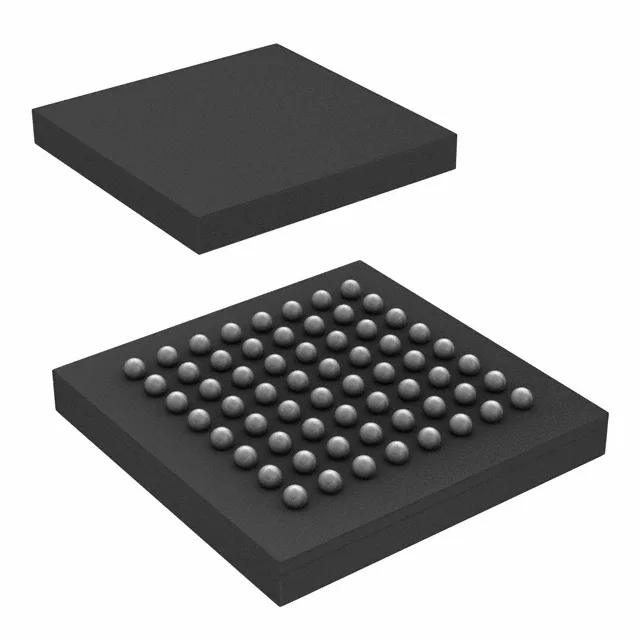
64-UFBGA (5x5 mm) — small footprint, tight fanout
That density buys board space but demands a 4+ layer PCB with microvias or via-in-pad for fanout — not a 2-layer-friendly part. The 51 I/O lines bring out most of the peripheral signals, so a careful pin-mux assignment at schematic stage is needed to avoid signal conflicts. The exposed paddle (if present) should be connected to ground with thermal vias; the datasheet's recommended land pattern and solder-mask opening are the reference, not a generic BGA footprint.
STMicroelectronics lists the STM32F072RBH6 as Active (current production). For dual-sourcing flexibility, the STM32F072 series shares pin-compatibility across density options within the 64-UFBGA footprint, though the specific memory and peripheral mix of the RBH6 variant should be verified against the application's firmware size and I/O requirements.
Because this is an active, current-production STM32 part, it is available through multiple channels — authorized distributors and independent stockists alike. The 64-UFBGA package is tray-shipped; verify the reel or tray quantity with your order volume to avoid line-stop due to packaging mismatch.