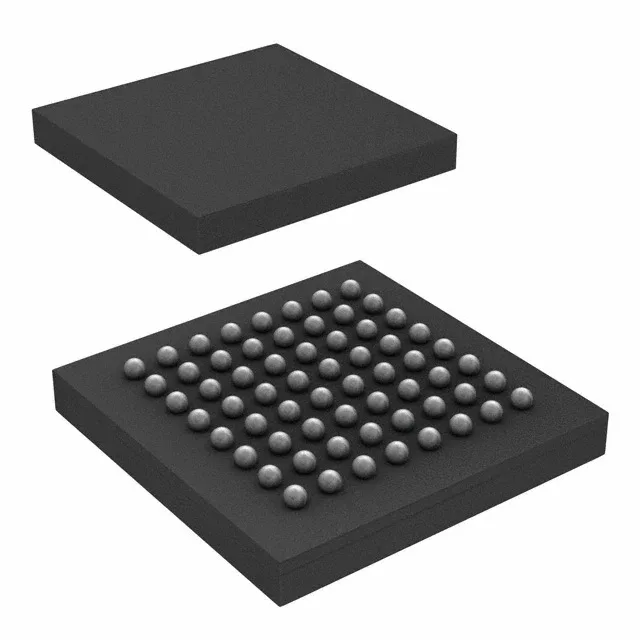
STMicroelectronics STM32F051R8H6TR — Microcontrollers & Processors (MCU / MPU / DSP)

STM32F051R8H6TR ARM Cortex-M0 MCU, 48 MHz, 64 KB Flash

MPNSTM32F051R8H6TR
Active

STMicroelectronics STM32F0 series ARM Cortex-M0 32-bit MCU, 48 MHz, 64 KB Flash, 8 KB SRAM, 55 I/O, 2V-3.6V, -40°C to 85°C, 64-UFBGA (5x5 mm), Tape & Reel.

$2.0607Ref. price · indicative, final on quote
Independent supplier — new & surplus stockAuthenticity-screened · ESD-safe packingListing updated Jul 2026

Specifications

STM32F051R8H6TR specifications
ParameterValue
SeriesSTM32F0
MountingSurface Mount
Oscillator typeInternal
Program memory typeFLASH
Voltage - supply (Vcc (Vdd))2V ~ 3.6V
Operating temperature-40°C ~ 85°C (TA)
Speed48MHz
PackageTape & Reel (TR)
RAM size8K x 8
Core size32-Bit Single-Core
PeripheralsDMA, I²S, POR, PWM, WDT
ConnectivityHDMI-CEC, I²C, IrDA, LINbus, SPI, UART/USART
Number of i (O)55
Core processorARM® Cortex®-M0
Case64-UFBGA
Data convertersA/D 19x12b; D/A 1x12b
Program memory size64KB (64K x 8)

Product details

Cortex-M0 MCU for cost-sensitive control — 48 MHz, 64 KB Flash, 64-UFBGA

The STM32F051R8H6TR: This part is aimed at industrial control, sensor nodes, motor-drive feedback, and appliance logic where the balance of peripheral count, memory, and cost matters more than raw MIPS.

64-UFBGA footprint — layout and assembly considerations

The 64-UFBGA package measures 5x5 mm with a fine-pitch ball array. That saves board area versus a TQFP but demands a multi-layer PCB with microvias or blind vias to route the 55 I/O plus supply and ground.

ST lists the STM32F051R8H6TR as Active. That means no last-time-buy clock is running, no end-of-life notice is pending, and the part flows through franchised distribution alongside the independent channel.

Frequently asked questions

What is the difference between STM32F051R8H6TR and STM32F051R8T6?

The two share the same core, memory, and peripheral set. The key difference is the package: the R8H6TR comes in a 64-UFBGA (5x5 mm) while the R8T6 uses a 64-pin LQFP. The BGA saves board area but requires a more complex PCB stack-up and assembly process compared to the LQFP's perimeter leads.

How much flash memory does STM32F051R8H6TR have?

That is enough for moderate firmware stacks — control loops, sensor fusion, communication protocol handlers — but tight for complex GUI or over-the-air update staging without external memory.