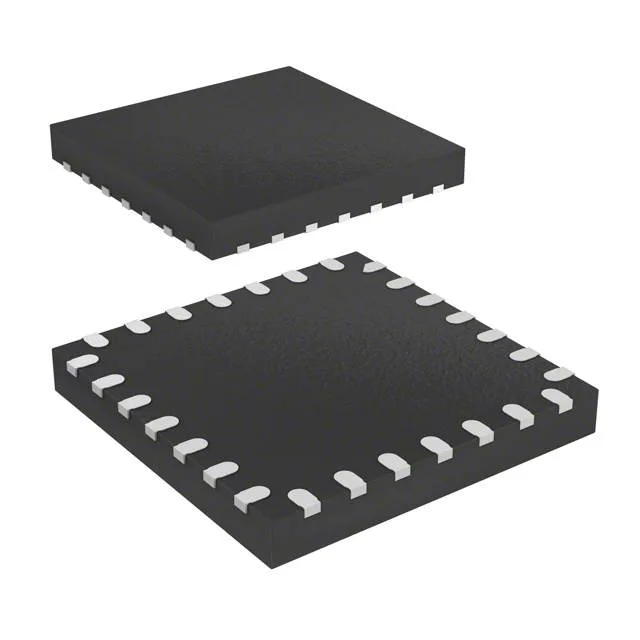
Cortex-M0 MCU with USB and CAN in a 4x4 mm QFN
It packs 16 KB of Flash and 6 KB of SRAM in a compact 28-UFQFPN package measuring 4x4 mm. The part includes a USB 2.0 full-speed device controller, a CAN 2.0B interface, and an integrated 12-bit ADC with 13 channels.
48 MHz Cortex-M0 — enough for sensor fusion and USB control loops
The 48 MHz core speed is the ceiling for this entry-level Cortex-M0. That is sufficient for sensor polling at a few kilohertz, USB control-endpoint handling, and CAN message processing at 1 Mbps. The flash wait state needs to be set to 1 before running above 24 MHz; the internal oscillator gets you started without an external crystal. The 6 KB SRAM is the tight resource. A USB CDC class with two 64-byte endpoints plus a CAN message object buffer leaves about 4 KB for application variables. If your firmware uses a real-time OS, budget the kernel footprint — FreeRTOS with a few queues fits, but dynamic allocation is tight.
28-UFQFPN 4x4 mm — layout checklist
Stitch at least four vias from the pad to the ground plane; without them, junction temperature rises quickly above 50 mA continuous I/O drive. Decouple with a 100 nF ceramic within 2 mm of each VDD/VSS pair — the 1.65 V minimum supply leaves little margin for supply droop during flash reads.
Active production — no near-term supply risk
The base product number STM32F042 covers multiple Flash and RAM density options in the same package footprint, giving a migration path within the family if firmware grows beyond 16 KB.