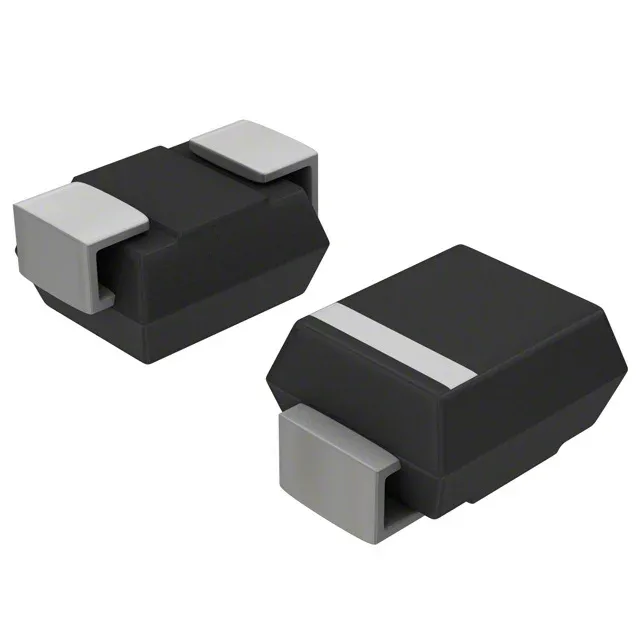
STMicroelectronics SMAJ85CA-TR — Circuit Protection

STMicroelectronics SMAJ85CA-TR TVS Diode, 85V Standoff, 400W

MPNSMAJ85CA-TR
Active

STMicroelectronics SMAJ85CA-TR, SMAJ TRANSIL™ series, Bidirectional TVS Diode, 85V Standoff, 94V Breakdown, 178V Clamping, 400W Peak Pulse, DO-214AC (SMA), Surface Mount.

$0.4300Ref. price · indicative, final on quote
Independent supplier — new & surplus stockAuthenticity-screened · ESD-safe packingListing updated Aug 2026

Specifications

SMAJ85CA-TR specifications
ParameterValue
TypeZener
SeriesSMAJ, TRANSIL™
MountingSurface Mount
Voltage - breakdown94V
Voltage - clamping (Max) @ ipp178V
Voltage - reverse standoff85V
Current - peak pulse (10/1000μs)13A (8/20µs)
Power - peak pulse400W
Power line protectionNo
Operating temperature-55°C~150°C(TJ)
PackageTape & Reel (TR); Cut Tape (CT)
ApplicationsGeneral Purpose
CaseDO-214AC, SMA
Bidirectional channels1

Product details

85V rail clamp in a DO-214AC package

The STMicroelectronics SMAJ85CA-TR is a bidirectional Zener-based transient voltage suppressor from the SMAJ TRANSIL™ series, designed to clamp overvoltage events on 85V nominal rails. The 94V minimum breakdown voltage and 178V maximum clamping voltage define the protection window for the downstream circuitry.

400W peak pulse — sizing the protection margin

For an 85V rail, this translates to a peak pulse current of 13A under the 8/20µs waveform condition. When sizing the protection for a given transient threat, the clamping voltage of 178V at that current sets the maximum voltage the load sees. Derating for ambient temperature above 25°C follows the standard power-derating curve for the SMA package.

The SMAJ family is a broad portfolio, so supply continuity through multiple distribution channels is the norm.

The DO-214AC (SMA) footprint is a standard surface-mount package compatible with reflow soldering profiles.

Frequently asked questions

Is SMAJ85CA-TR bidirectional?

Yes, the SMAJ85CA-TR is a bidirectional transient voltage suppressor, clamping both positive and negative transients with a single device. This eliminates the need for polarity orientation during assembly.