CCM PFC controller at 65 kHz — what the switching frequency means for the boost stage
The L4985A is a Continuous Conduction Mode (CCM) PFC controller running a fixed 65 kHz switching frequency. CCM operation means the inductor current never falls to zero during the switching cycle, which reduces peak current stress on the boost diode and MOSFET compared to boundary-conduction mode — the trade-off is a larger boost inductor for a given power level. At 65 kHz, the switching losses in the MOSFET and boost diode are moderate, and the magnetic core size sits in a practical range for power stages up to a few hundred watts. Raising the frequency would shrink the inductor but increase the gate-drive and switching loss budget — the L4985A's 65 kHz is a balanced point for general-purpose PFC stages.
Supply range and startup current — bias rail design constraints
The L4985A operates from a 10 V to 24.5 V supply rail, which covers the common auxiliary bias voltages derived from a flyback winding or a separate bias supply. The 400 µA startup current means the VCC capacitor can charge through a high-value resistor without excessive power dissipation during the startup phase — useful for designs where the bias rail is fed from the bulk capacitor through a dropping resistor. The 150°C maximum junction temperature rating allows operation in high-ambient environments such as enclosed power supplies or industrial PFC stages where the controller sits near hot magnetics and heatsinks. The -40°C low end covers cold-start conditions in outdoor or unheated equipment.
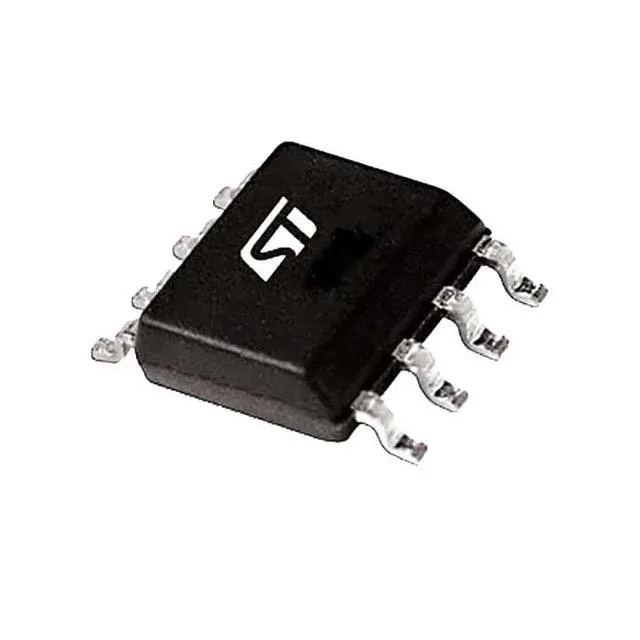
Package and board-fit — 8-SOIC footprint for dense PFC layouts
The supplier device package is 8-SO, which is the same mechanical outline — no footprint variation between the two designations. Tape & Reel packaging suits automated pick-and-place assembly for volume production.
Active lifecycle and compliance — no obsolescence risk for new designs
ROHS3 compliance is confirmed, so the part meets the current EU restriction levels without requiring exemption tracking. For BOM planning, the active status means the part can be specified into new PFC stages without a near-term migration risk.