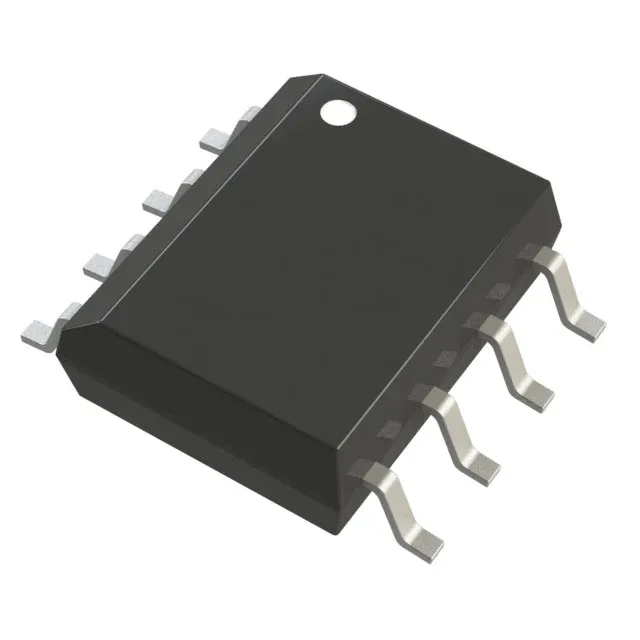
NXP Semiconductors P82B96TD,118 — Discrete Semiconductors

NXP P82B96TD,118 I²C Buffer/ReDriver, 400kHz, 2Ch, 8-SOIC

MPNP82B96TD,118
End of Life

NXP Semiconductors P82B96TD,118 I²C buffer/reDriver, 2-channel, 400kHz data rate, 2V-15V supply, 8-SOIC package, tape and reel.

$4.34Ref. price · indicative, final on quote
Packaging8-SOIC (0.154", 3.90mm Width)
StockIn Stock (18)
Lead timeIn Stock wk
MOQ1 pcs
  • 100% new & originalTraceable channels only — no refurbs, no pulls, no remarked parts.
  • Date & lot codes on quoteStated per line before you commit; label photos on request.
  • MSL-compliant ESD packingMoisture-sealed bags with indicator cards; reels photo-verified.
  • PayPal buyer protectionPay by T/T, PayPal or Payoneer — card payments covered end to end.

Specifications

P82B96TD,118 Technical Specifications
ParameterValue
TypeBuffer, ReDriver
Mounting typeSurface Mount
Voltage2V ~ 15V
Current - supply900µA
Operating temperature-40°C ~ 85°C
Input2-Wire Bus
Output2-Wire Bus
PackageTape & Reel (TR); Cut Tape (CT)
ApplicationsI²C
Case8-SOIC (0.154\", 3.90mm Width)
Data rate400kHz
Number of channels2
Capacitance - input7 pF

Product details

Active production — what it means for your BOM

The P82B96TD,118: ROHS3 compliant — no exemption-based lead or restricted substances per the EU RoHS directive.

I²C bus buffer — what the key ratings mean for fit

This is a 2-channel buffer/reDriver for I²C (2-wire) buses, rated for a maximum data rate of 400 kHz — the Fast-mode ceiling of the I²C specification, so it supports standard and fast-mode devices without timing margin loss. Input capacitance is 7 pF — low enough that multiple bus segments can be buffered without exceeding the 400 pF maximum bus capacitance for Fast-mode I²C.

Available in tape and reel (TR) or cut tape (CT) — the reel format suits automated pick-and-place assembly; cut tape works for prototype or low-volume builds.

Frequently asked questions

What is P82B96TD,118's listed type and what does it do?

It is a Buffer, ReDriver for I²C (2-wire bus) applications. It regenerates the bus signal to extend cable length or increase the number of devices on the bus without violating the I²C timing or capacitance limits.