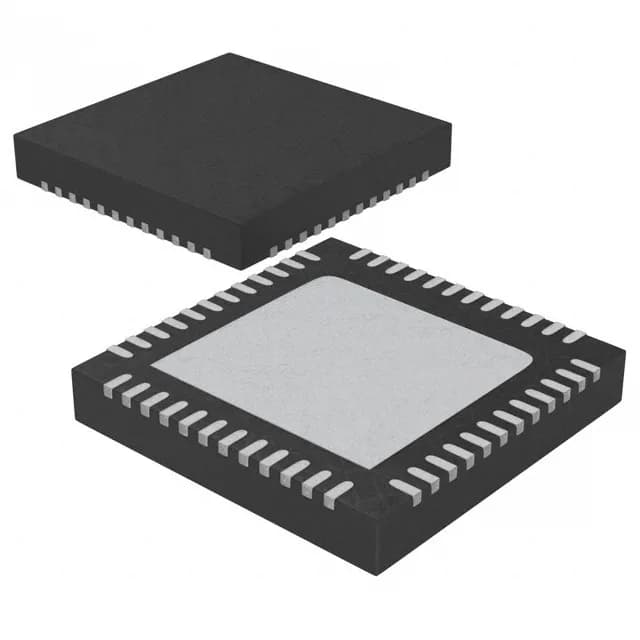
NXP Kinetis KL1 series 32-bit ARM Cortex-M0+ MCU; 64KB Flash, 8KB RAM, 48MHz clock; 40 I/O, 16-bit ADC / 12-bit DAC; I²C, SPI, USART, LINbus, TSI, I²S; 1.71–3.6V supply; -40 to 105°C; 48-VFQFN (7x7mm) surface-mount tray.
- 100% new & originalTraceable channels only — no refurbs, no pulls, no remarked parts.
- Date & lot codes on quoteStated per line before you commit; label photos on request.
- MSL-compliant ESD packingMoisture-sealed bags with indicator cards; reels photo-verified.
- PayPal buyer protectionPay by T/T, PayPal or Payoneer — card payments covered end to end.
Specifications
| Parameter | Value |
|---|---|
| Series | Kinetis KL1 |
| Mounting type | Surface Mount |
| Oscillator type | Internal |
| Program memory type | FLASH |
| Voltage - supply (Vcc (Vdd)) | 1.71V ~ 3.6V |
| Operating temperature | -40°C ~ 105°C (TA) |
| Speed | 48MHz |
| Package | Tray |
| RAM size | 8K x 8 |
| Core size | 32-Bit Single-Core |
| Peripherals | Brown-out Detect/Reset, DMA, I²S, LVD, POR, PWM, WDT |
| Connectivity | I²C, LINbus, SPI, TSI, UART/USART |
| Number of i (O) | 40 |
| Core processor | ARM® Cortex®-M0+ |
| Case | 48-VFQFN Exposed Pad |
| Data converters | A/D - 16bit; D/A - 12bit |
| Program memory size | 64KB (64K x 8) |
Frequently asked questions
Is the MKL16Z64VFT4 pin-compatible with the 64-pin KL16 variants?
No — the 48-VFQFN package and 40-I/O pin count differ from the larger KL16 packages. Layout rework and firmware pin-mapping updates are required to substitute this part for an existing 64-pin KL16 design.
Does the exposed pad on the 48-VFQFN require a thermal via array under the pad?
Yes — the exposed pad is the primary thermal path to the PCB. A via array under the pad is standard practice; the landing pattern follows NXP's KL16 reference footprint guidelines.
What debug probe programs the MKL16Z64VFT4, and does the internal oscillator support 115200-baud UART?
NXP's OpenSDA or any CMSIS-DAP-compatible probe programs the part via the on-chip debug port. UART baud-rate accuracy at 115200 baud with the internal oscillator should be verified against the datasheet tolerance band before committing the link in a noise-sensitive or safety-rated path.
Will the MKL16Z64VFT4 survive an enclosed panel at 85°C ambient without derating the 48MHz core?
The 105°C TA rating covers this ambient, but enclosed-panel thermal resistance at high load can approach the junction limit. A thermal via array under the exposed pad and modest airflow are recommended if the core runs at 48MHz continuously at 85°C ambient.