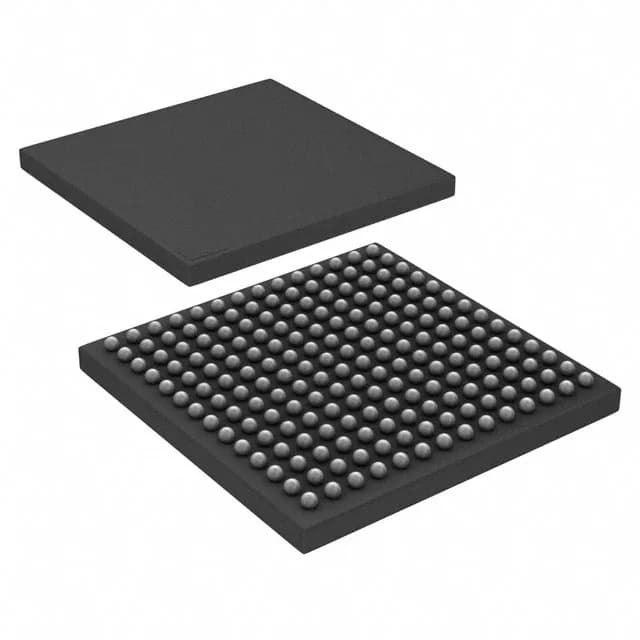
NXP RT1050 series, single-core ARM Cortex-M7 at 600MHz, 512KB SRAM, 127 I/O, Ethernet/CANbus/USB OTG, 3.0–3.6V, 196-LFBGA (10×10mm), 0–95°C junction.
- 100% new & originalTraceable channels only — no refurbs, no pulls, no remarked parts.
- Date & lot codes on quoteStated per line before you commit; label photos on request.
- MSL-compliant ESD packingMoisture-sealed bags with indicator cards; reels photo-verified.
- PayPal buyer protectionPay by T/T, PayPal or Payoneer — card payments covered end to end.
Specifications
| Parameter | Value |
|---|---|
| Series | RT1050 |
| Mounting type | Surface Mount |
| Oscillator type | External, Internal |
| Program memory type | External Program Memory |
| Voltage - supply (Vcc (Vdd)) | 3V ~ 3.6V |
| Operating temperature | 0°C~95°C(TJ) |
| Speed | 600MHz |
| Package | Tray |
| RAM size | 512K x 8 |
| Core size | 32-Bit Single-Core |
| Peripherals | Brown-out Detect/Reset, DMA, POR, PWM, WDT |
| Connectivity | CANbus, EBI/EMI, Ethernet, I²C, MMC/SD/SDIO, SAI, SPDIF, SPI, UART/USART, USB OTG |
| Number of i (O) | 127 |
| Core processor | ARM® Cortex®-M7 |
| Case | 196-LFBGA |
| Data converters | A/D 20x12b |
Frequently asked questions
I need the industrial temperature grade — what is the RT1050 variant?
The MIMXRT1051DVL6B is rated 0–95°C junction. For -40 to 105°C operation the RT1050 family carries an extended-temp sibling in the same 196-LFBGA footprint and pinout — check the DVN suffix for the industrial temp grade. Confirm the full variant suffix before ordering; the temperature grade is the gate for sealed IP54 or outdoor panel designs.
Does this MCU need external flash, and what voltage does it run at?
The MIMXRT1051DVL6B has no internal program memory — it boots from external quad-SPI NOR flash, which is a separate BOM line. Supply voltage range is 3.0–3.6V; the quad-SPI flash chosen must be compatible with this rail and the MCU's boot ROM requirements.
Can I hot-swap this MCU on a carrier board?
No. The 196-LFBGA (10×10mm, 0.8mm pitch) does not have a hot-swap rating — power should be cycled cleanly before insertion or removal. BGA rework on this footprint is high-risk; X-ray inspection after any rework operation is standard practice.