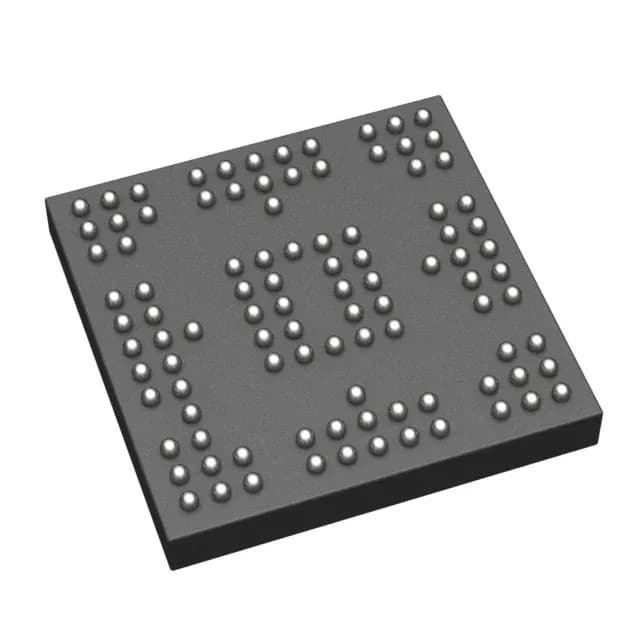
NXP LPC55S16JEV98E — 150MHz ARM Cortex-M33 MCU, 256KB FLASH, 98-VFBGA
NXP LPC55S16JEV98E, LPC55S1x series, ARM Cortex-M33 150MHz single-core MCU, 256KB FLASH, 96KB SRAM, 64 I/O, 10-channel 16-bit SAR ADC, CANbus/Flexcomm/I2C/SPI/UART/USB, 1.8–3.6V supply, -40°C to 105°C, 98-VFBGA (7x7mm) surface-mount tray.
- 100% new & originalTraceable channels only — no refurbs, no pulls, no remarked parts.
- Date & lot codes on quoteStated per line before you commit; label photos on request.
- MSL-compliant ESD packingMoisture-sealed bags with indicator cards; reels photo-verified.
- PayPal buyer protectionPay by T/T, PayPal or Payoneer — card payments covered end to end.
Specifications
| Parameter | Value |
|---|---|
| Series | LPC55S1x |
| Mounting type | Surface Mount |
| Oscillator type | Internal |
| Program memory type | FLASH |
| Voltage - supply (Vcc (Vdd)) | 1.8V ~ 3.6V |
| Operating temperature | -40°C ~ 105°C (TA) |
| Speed | 150MHz |
| Package | Tray |
| RAM size | 96K x 8 |
| Core size | 32-Bit Single-Core |
| Peripherals | Brown-out Detect/Reset, DMA, I²S, POR, PWM, RNG, WDT |
| Connectivity | CANbus, Flexcomm, I²C, SPI, UART/USART, USB |
| Number of i (O) | 64 |
| Core processor | ARM® Cortex®-M33 |
| Case | 98-VFBGA |
| Data converters | A/D 10x16b SAR |
| Program memory size | 256KB (256K x 8) |
Frequently asked questions
How many GPIOs remain when all peripherals are active?
The 64 I/O is the package ball count — Flexcomm channels (I²C, SPI, UART), the 10-channel ADC, CANbus, USB, and PWM all share the same pins. The 64 figure is the physical maximum, not the always-available GPIO count. Pin assignment must be resolved in the SDK device configuration tool before PCB routing is finalised; full peripheral instantiation will consume a significant portion of that 64.
What supply voltage does the LPC55S16JEV98E need?
A single 1.8V to 3.6V rail covers both core and USB transceiver. On a 3.3V industrial system rail no level translation is needed; battery-powered or 1.8V rail designs must confirm the USB transceiver operates at the lower end of the range.