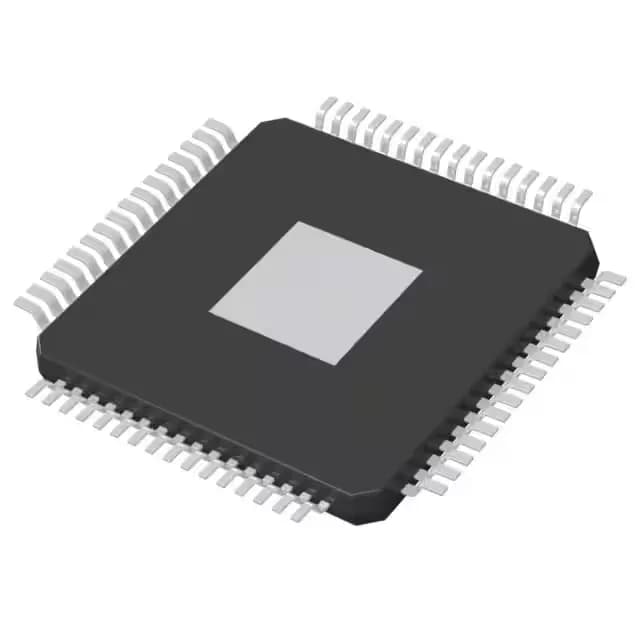
NXP LPC5516JBD64E — ARM Cortex-M33 MCU, 150MHz, 256KB Flash, 64-HTQFP
NXP LPC5516JBD64E, LPC551x series, ARM Cortex-M33 single-core at 150MHz, 256KB Flash, 96KB RAM, CANbus / USB / SPI / I2C / UART, 10-ch 16b SAR ADC, 36 GPIO, 1.8–3.6 V supply, -40 to 105°C, 64-HTQFP (10×10mm) exposed pad, tray.
- 100% new & originalTraceable channels only — no refurbs, no pulls, no remarked parts.
- Date & lot codes on quoteStated per line before you commit; label photos on request.
- MSL-compliant ESD packingMoisture-sealed bags with indicator cards; reels photo-verified.
- PayPal buyer protectionPay by T/T, PayPal or Payoneer — card payments covered end to end.
Specifications
| Parameter | Value |
|---|---|
| Series | LPC551x |
| Mounting type | Surface Mount |
| Oscillator type | Internal |
| Program memory type | FLASH |
| Voltage - supply (Vcc (Vdd)) | 1.8V ~ 3.6V |
| Operating temperature | -40°C~105°C(TA) |
| Speed | 150MHz |
| Package | Tray |
| RAM size | 96K x 8 |
| Core size | 32-Bit Single-Core |
| Peripherals | Brown-out Detect/Reset, DMA, I²S, POR, PWM, RNG, WDT |
| Connectivity | CANbus, Flexcomm, I²C, SPI, UART/USART, USB |
| Number of i (O) | 36 |
| Core processor | ARM® Cortex®-M33 |
| Case | 64-TQFP Exposed Pad |
| Data converters | A/D 10x16b SAR |
| Program memory size | 256KB (256K x 8) |
Frequently asked questions
What is the worst-case junction temperature at 100% CPU load, and does the enclosure need a heatsink?
The operating temperature is rated -40 to 105 °C ambient (TA). The 64-HTQFP exposed thermal pad is the primary heat-removal path; no thermal resistance figure appears in the listed ratings. Junction temperature at 100% CPU load requires thermal modelling against the actual board and enclosure — a thermal pad or heatsink is application-dependent and not decided by the spec table alone.
Can I map CAN, USB OTG, 2× SPI, 2× I2C, and 10 ADC channels simultaneously on 36 GPIO?
Channel multiplexing forces pin-sharing across the 36 GPIO. The 10 ADC channels and the fixed CAN and USB pins consume a significant share of available pins before any Flexcomm remapping is considered. Whether all listed peripherals can run simultaneously without dropping one requires consulting the NXP pin multiplexing table — it cannot be confirmed from the listed ratings alone.