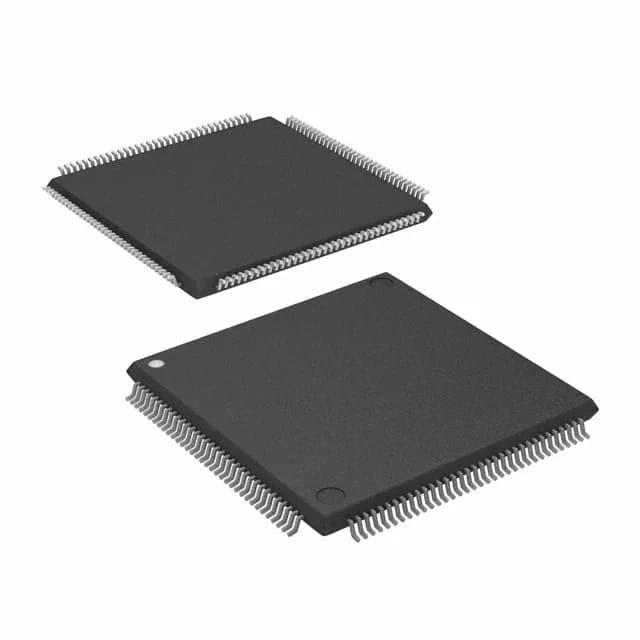
NXP LPC2294HBD144/01K ARM7 MCU, 60MHz, 144-LQFP, CANbus, Industrial Temp
NXP LPC2200 series ARM7 MCU, LPC2294HBD144/01K, 60MHz core, 256KB FLASH, 16KB RAM, 112 I/O, CANbus, EBI/EMI, I²C, SPI, UART/USART, 8-channel 10-bit ADC, internal oscillator, -40°C to 125°C, 1.65-1.95V, 144-LQFP (20×20mm), surface mount, tray.
- 100% new & originalTraceable channels only — no refurbs, no pulls, no remarked parts.
- Date & lot codes on quoteStated per line before you commit; label photos on request.
- MSL-compliant ESD packingMoisture-sealed bags with indicator cards; reels photo-verified.
- PayPal buyer protectionPay by T/T, PayPal or Payoneer — card payments covered end to end.
Specifications
| Parameter | Value |
|---|---|
| Series | LPC2200 |
| Mounting type | Surface Mount |
| Oscillator type | Internal |
| Program memory type | FLASH |
| Voltage - supply (Vcc (Vdd)) | 1.65V ~ 1.95V |
| Operating temperature | -40°C ~ 125°C (TA) |
| Speed | 60MHz |
| Package | Tray |
| RAM size | 16K x 8 |
| Core size | 16/32-Bit |
| Peripherals | POR, PWM, WDT |
| Connectivity | CANbus, EBI/EMI, I²C, Microwire, SPI, SSI, SSP, UART/USART |
| Number of i (O) | 112 |
| Core processor | ARM7® |
| Case | 144-LQFP |
| Data converters | A/D 8x10b SAR |
| Program memory size | 256KB (256K x 8) |
Frequently asked questions
Does the 144-LQFP pinout allow a drop-in replacement without a board respin?
Pin-compatible second sources for this exact 144-LQFP variant are not listed in the current cross-reference record. The EBI/EMI and CAN pin assignments on a 144-pin device differ from smaller-pin variants in the LPC2200 series — any alternate MCU would require a board respin and firmware verification before it can be treated as a BOM-equivalent.
Does the -40°C to 125°C rating cover PLC retrofit panels at elevated ambient?
The upper limit of 125°C is the ambient operating temperature rating — at 85°C ambient the part has 40°C of thermal headroom, which is usable in most sealed cabinet installations. Actual junction temperature depends on the 144-LQFP thermal resistance and the load currents through the I/O — board thermal design, not just the spec limit, determines whether additional forced convection is needed.