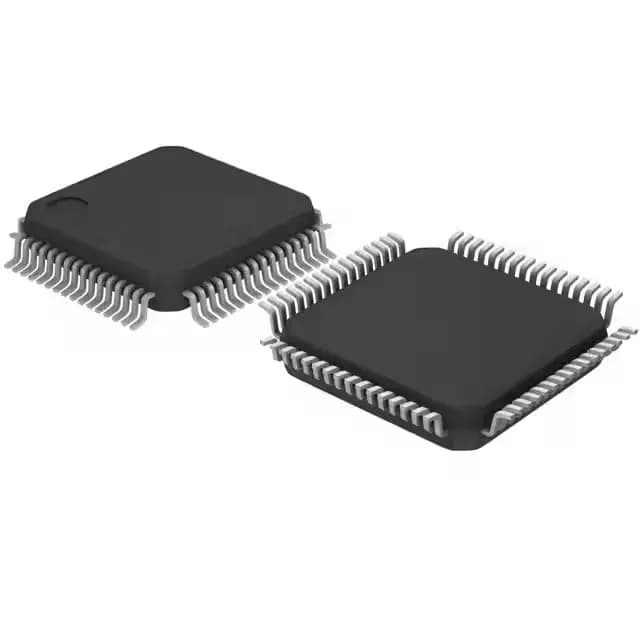
NXP LPC2134FBD64/01EL ARM7 MCU, 128KB Flash, 16KB RAM, 60MHz core, 47 I/O, 3.3V supply, 16x10b SAR ADC + 1x10b DAC, I²C/SPI/UART/USART/SSP, internal oscillator, brown-out/POR/WDT, -40°C to 85°C, 64-LQFP (10x10mm) tray.
$22.2400Ref. price · indicative, final on quote
Packaging64-LQFP
StockContact for availability
MOQ1 pcs
- 100% new & originalTraceable channels only — no refurbs, no pulls, no remarked parts.
- Date & lot codes on quoteStated per line before you commit; label photos on request.
- MSL-compliant ESD packingMoisture-sealed bags with indicator cards; reels photo-verified.
- PayPal buyer protectionPay by T/T, PayPal or Payoneer — card payments covered end to end.
Specifications
| Parameter | Value |
|---|---|
| Series | LPC2100 |
| Mounting type | Surface Mount |
| Oscillator type | Internal |
| Program memory type | FLASH |
| Voltage - supply (Vcc (Vdd)) | 3V ~ 3.6V |
| Operating temperature | -40°C~85°C(TA) |
| Speed | 60MHz |
| Package | Tray |
| RAM size | 16K x 8 |
| Core size | 16/32-Bit |
| Peripherals | Brown-out Detect/Reset, POR, PWM, WDT |
| Connectivity | I²C, Microwire, SPI, SSI, SSP, UART/USART |
| Number of i (O) | 47 |
| Core processor | ARM7® |
| Case | 64-LQFP |
| Data converters | A/D 16x10b SAR; D/A 1x10b |
| Program memory size | 128KB (128K x 8) |
Frequently asked questions
Does the LPC2134FBD64/01EL support standard ARM7 toolchains for in-circuit debug and Flash programming?
Yes. The ARM7 JTAG interface on this device works with Keil MDK, IAR EWARM, and GCC-based tools via OpenOCD. The 128KB Flash and 16KB RAM fit within the standard toolchain working set without extended memory model requirements.
Is there a second source or pin-compatible peer for the LPC2134FBD64/01EL?
No official cross-reference or second-source is listed in the current ledger. The 47-I/O, 64-LQFP form factor and 16x10b ADC are shared across several LPC2100 variants in the same package, but a drop-in swap requires board-level validation against the target memory map and peripheral feature set.