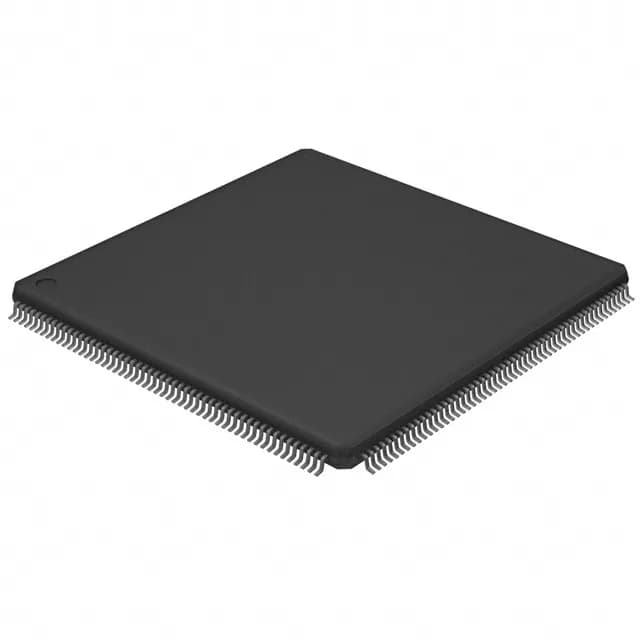
NXP LPC1788FBD208K ARM Cortex-M3 MCU, 120MHz, 512KB Flash, 165 I/O, 208-LQFP
NXP LPC1788FBD208K, LPC17xx series, 32-bit ARM Cortex-M3 MCU running at 120MHz with 512KB Flash, 96KB SRAM, 4KB EEPROM; 165 I/O, integrated Ethernet MAC, USB OTG, CAN, SPI/SSP, I²C, UART/USART, 8-channel 12-bit ADC plus 1-channel 10-bit DAC, motor control PWM, LCD controller; single 2.4–3.6V supply; -40°C to 85°C operating range; 208-pin LQFP (28×28mm) surface-mount package; ROHS3 Compliant, Active lifecycle.
- 100% new & originalTraceable channels only — no refurbs, no pulls, no remarked parts.
- Date & lot codes on quoteStated per line before you commit; label photos on request.
- MSL-compliant ESD packingMoisture-sealed bags with indicator cards; reels photo-verified.
- PayPal buyer protectionPay by T/T, PayPal or Payoneer — card payments covered end to end.
Specifications
| Parameter | Value |
|---|---|
| Series | LPC17xx |
| Mounting type | Surface Mount |
| Oscillator type | Internal |
| Program memory type | FLASH |
| Voltage - supply (Vcc (Vdd)) | 2.4V ~ 3.6V |
| Operating temperature | -40°C ~ 85°C (TA) |
| Speed | 120MHz |
| Package | Bulk |
| RAM size | 96K x 8 |
| Core size | 32-Bit Single-Core |
| EEPROM size | 4K x 8 |
| Peripherals | Brown-out Detect/Reset, DMA, I²S, LCD, Motor Control PWM, POR, PWM, WDT |
| Connectivity | CANbus, EBI/EMI, Ethernet, I²C, Microwire, Memory Card, SPI, SSI, SSP, UART/USART, USB OTG |
| Number of i (O) | 165 |
| Core processor | ARM® Cortex®-M3 |
| Case | 208-LQFP |
| Data converters | A/D 8x12b; D/A 1x10b |
| Program memory size | 512KB (512K x 8) |
Frequently asked questions
What supply voltage and temperature range does the LPC1788FBD208K require?
The MCU operates from a single 2.4–3.6V rail (3.3V nominal) over a -40°C to 85°C ambient range. For 24V industrial bus architectures, an intermediate LDO is required between the field rail and the MCU supply.
Does the LPC1788FBD208K support firmware updates over Ethernet without requiring physical debugger access?
The LPC17xx supports bootloader modes over UART and CAN from the factory boot configuration. Ethernet bootloader availability depends on boot-code configuration and user firmware — confirm the specific boot option byte settings and whether the Ethernet PHY is populated on the target board before relying on a network-based update path.