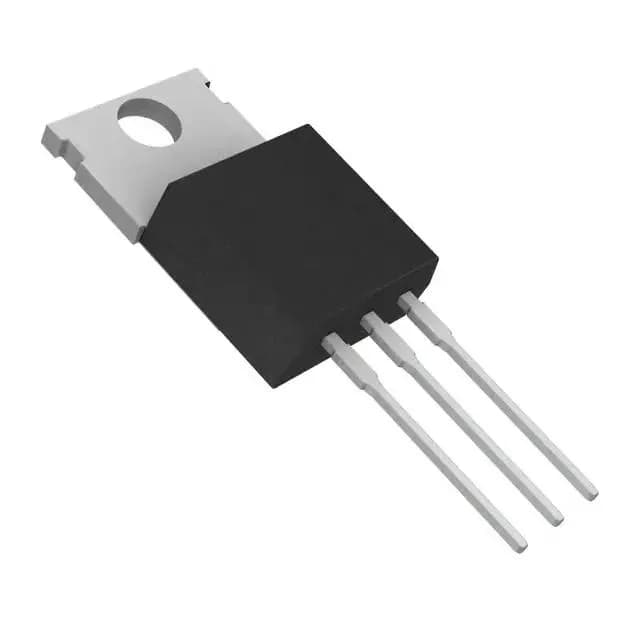
What this 40 V TrenchMOS part is for
The Nexperia BUK752R3-40E,127 is an N-channel TrenchMOS MOSFET from the automotive-grade AEC-Q101 series. It is designed for high-current switching in 12 V and 24 V automotive loads — think engine control units, electric power steering, DC-DC converters, and motor bridge drives where the bus sees transients up to 40 V. The TO-220AB through-hole package suits it for power stages that need a bolt-down tab for heat sinking.
The on-resistance is specified at 2.3 mΩ maximum with a 25 A drain current and 10 V gate drive. That is a low figure for a 40 V device in a TO-220, so at 25 A the conduction loss is roughly 1.44 W — manageable with a decent heatsink. The test condition matters: the 10 V gate drive is typical for automotive gate drivers, but if your design runs the gate at 5 V logic levels, expect the Rds(on) to roughly double from the 4.2 mΩ region at 4.5 V that similar TrenchMOS parts show. Plan the gate drive rail accordingly.
109.2 nC gate charge — sizing the driver
Total gate charge at 10 V is 109.2 nC. That is a moderate figure — a typical automotive gate driver with 2 A peak source/sink can switch this FET in the 50-100 ns range, which keeps switching losses in check for PWM frequencies up to 20-50 kHz. The input capacitance is 8500 pF at 25 V drain bias, so the driver sees a capacitive load that needs a clean layout with short gate-loop traces to avoid ringing.
120 A continuous drain and 293 W dissipation — thermal reality
The 120 A continuous drain rating at 25°C case temperature is the silicon limit, not a practical number without aggressive cooling. The 293 W power dissipation figure is likewise a theoretical maximum with the case held at 25°C. In a real engine-bay environment at 85°C ambient, derate heavily — a TO-220AB bolted to a decent heatsink might handle 30-50 A continuous before the junction hits the 175°C limit. The -55°C to 175°C junction range covers cold cranking and under-hood heat soak.
Lifecycle and sourcing posture
The AEC-Q101 qualification means it is production-released for automotive supply chains with the usual PPAP documentation available.