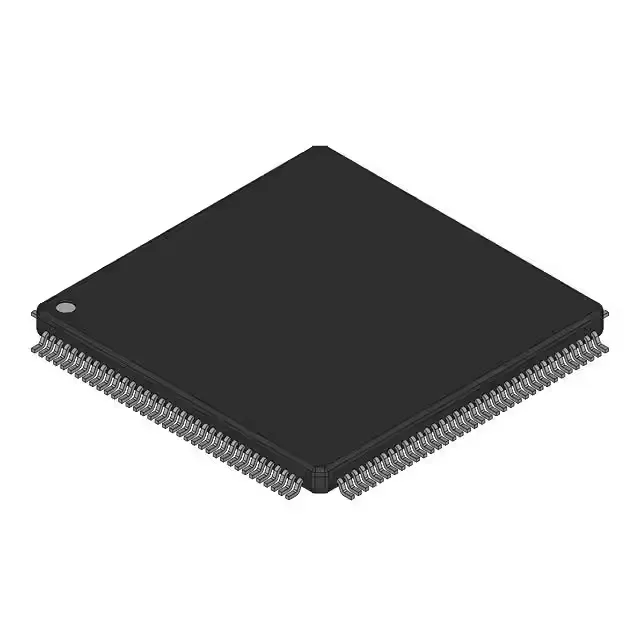
NXP LPC2919FBD144/01551 MCU — 80MHz ARM9, 768KB FLASH, 108 I/O, 144-LQFP
NXP LPC2919FBD144/01551, LPC2900 series, ARM9 16/32-bit MCU at 80MHz with 768KB FLASH, 80KB RAM, 108 I/O, CANbus/LINbus/SPI/UART interfaces, 16-channel 10-bit ADC, 1.71-3.6V supply, -40 to 85°C operating range, surface-mount 144-LQFP package.
- 100% new & originalTraceable channels only — no refurbs, no pulls, no remarked parts.
- Date & lot codes on quoteStated per line before you commit; label photos on request.
- MSL-compliant ESD packingMoisture-sealed bags with indicator cards; reels photo-verified.
- PayPal buyer protectionPay by T/T, PayPal or Payoneer — card payments covered end to end.
Specifications
| Parameter | Value |
|---|---|
| Series | LPC2900 |
| Mounting type | Surface Mount |
| Oscillator type | Internal |
| Program memory type | FLASH |
| Voltage - supply (Vcc (Vdd)) | 1.71V ~ 3.6V |
| Operating temperature | -40°C~85°C(TA) |
| Speed | 80MHz |
| Package | Bulk |
| RAM size | 80K x 8 |
| Core size | 16/32-Bit |
| Peripherals | POR, PWM, WDT |
| Connectivity | CANbus, EBI/EMI, LINbus, SPI, UART/USART |
| Number of i (O) | 108 |
| Core processor | ARM9® |
| Case | 144-LQFP |
| Data converters | A/D 16x10b |
| Program memory size | 768KB (768K x 8) |
Frequently asked questions
What connectivity does the LPC2919 bring for a motor-control or industrial IO board?
The LPC2919 integrates CANbus, LINbus, SPI, and UART/USART on dedicated hardware — CAN and LIN are not emulated in firmware, which preserves bus timing integrity under core load. The 16-channel 10-bit ADC shares bus resources with the SPI port during simultaneous operation, which is the key constraint if your firmware scans all 16 channels at high SPI clock rates.
Does the 144-LQFP thermal pad require specific board-level heat spreading for a 70°C panel ambient?
The 85°C maximum operating temperature leaves 15°C of margin against a 70°C panel ambient at 80MHz with all 108 I/O switching. That margin is consumed quickly without a thermal via array under the 20×20 mm thermal pad and a ground plane carrying heat away from the package — a bare board with no thermal design will run hotter than the ambient-only calculation suggests. Confirm thermal simulation or probe the first articles under full load before scaling to volume.