16 Mbit SPI Flash for code shadow and data logging
The Microchip SST25VF016B-50-4C-QAF-T is a 16 Mbit serial Flash memory organized as 2M x 8 bits, accessed over an SPI bus at up to 50 MHz. It stores firmware images, bootloaders, configuration tables, or data logs in embedded systems where a parallel NOR Flash would waste board area and I/O pins.
50 MHz SPI — fast enough for most MCU buses
At 50 MHz the SPI clock is fast enough to keep up with most microcontroller QSPI or SPI peripherals without needing a high-speed layout. The interface stays single-bit SPI, so no quad-I/O complexity; the trade-off is that sustained read throughput tops out around 6 MB/s, which is adequate for code shadowing from Flash to RAM at boot but not for streaming video.
Commercial temp range — indoor use only
It will not survive an automotive dashboard in summer or an outdoor telecom cabinet in winter. If your design needs -40°C to 85°C, look at the SST25VF020B-80-4I-SAE-T sibling in the same series, which carries the industrial temperature grade.
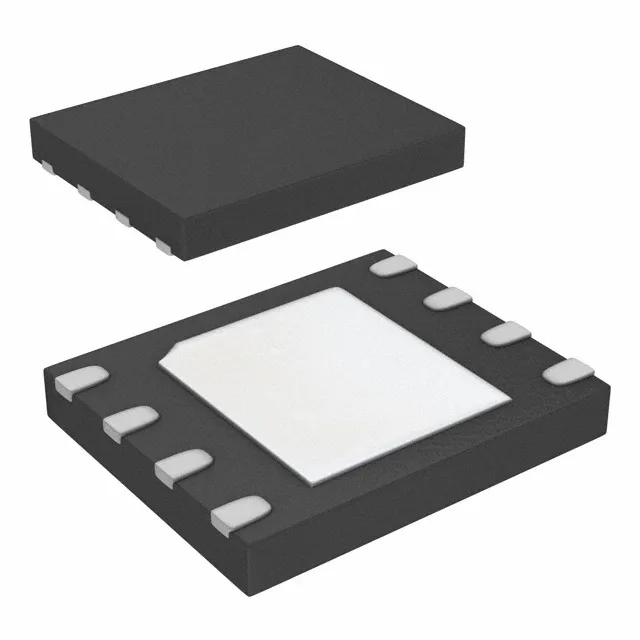
8-WDFN with exposed pad — thermal relief, but plan your rework
But the leads are hidden under the package body — you will need a hot-air station to remove or replace it. The exposed pad also means the footprint needs a thermal via stitch under the part; without it, the pad floats thermally and the part runs hotter than expected.
Active lifecycle — no obsolescence worry
For dual-sourcing, the SST26VF016BT-104I/MF is a quad-I/O pin-compatible upgrade that runs at 104 MHz, but it uses a different command set — firmware changes are required.