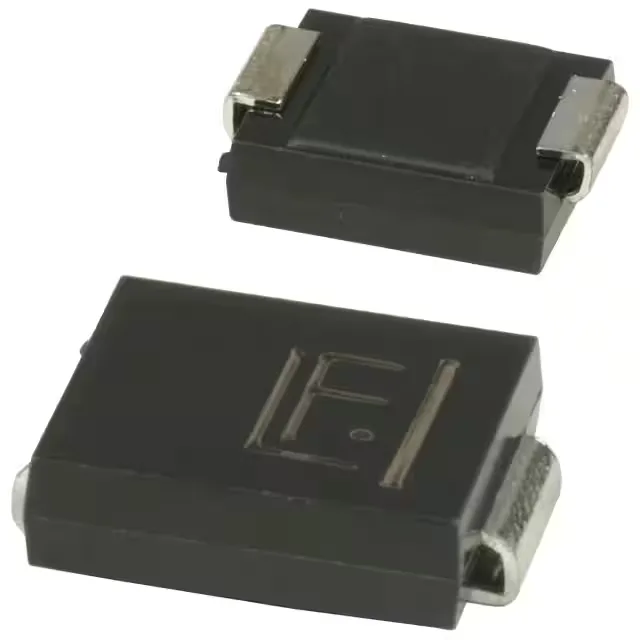
Littelfuse Inc. 1.5SMC75 — Circuit Protection

Littelfuse 1.5SMC75 TVS Diode, 1.5kW, Obsolete

MPN1.5SMC75
Obsolete

Littelfuse 1.5SMC75 Zener TVS diode, unidirectional, 1500 W peak pulse, 64.1 V standoff, 67.55 V min breakdown, 108.15 V clamping at 14.8 A, -55 to 150°C junction, DO-214AB SMC surface mount, Tape & Reel.

Independent supplier — new & surplus stockAuthenticity-screened · ESD-safe packingListing updated Jul 2026

Specifications

1.5SMC75 specifications
ParameterValue
TypeZener
Series1.5SMC
MountingSurface Mount
Voltage - breakdown67.55V
Voltage - clamping (Max) @ ipp108.15V
Voltage - reverse standoff64.1V
Current - peak pulse (10/1000μs)14.8A
Power - peak pulse1500W (1.5kW)
Power line protectionNo
Operating temperature-55°C~150°C(TJ)
PackageTape & Reel (TR)
ApplicationsGeneral Purpose
CaseDO-214AB, SMC
Unidirectional channels1

Product details

Sourcing an obsolete Littelfuse TVS

The 1.5SMC75 carries an Obsolete product status from Littelfuse — no longer recommended for new designs. No official successor is listed in this series for the 64.1 V standoff band.

Standoff, breakdown, and clamping — what the voltage ratings mean

The reverse standoff voltage of 64.1 V defines the working dc bias the protected node can carry without the TVS drawing significant leakage — the part sits in high-impedance standby below this level. Junction current begins at the minimum breakdown voltage of 67.55 V; above that threshold the TVS enters conduction and the clamped voltage waveform is what the downstream load actually sees during the event. At the rated peak pulse current of 14.8 A, the maximum clamping voltage is 108.15 V — this 108.15 V is the maximum stress voltage the downstream circuitry sees during a worst-case 10/1000 µs transient at rated amplitude, and it is the figure that drives downstream component selection.

Frequently asked questions

What is the 1.5SMC75 used for?

It is a unidirectional Zener-type TVS diode — the 'Zener' designation in the type field reflects its clamping mechanism, which operates like a reverse-biased Zener once the transient pushes the node above the breakdown threshold. It protects downstream circuits from voltage spikes on dc power rails and signal lines in general-purpose industrial or consumer applications.

What does the 1.5SMC75's voltage-clamping rating mean for circuit protection?

The maximum clamping voltage of 108.15 V at 14.8 A peak pulse current is the voltage the protected node will see during a worst-case 10/1000 µs transient at rated amplitude — the downstream load must withstand 108.15 V during the event, not 64.1 V. Select downstream components with a voltage rating above this clamping level.