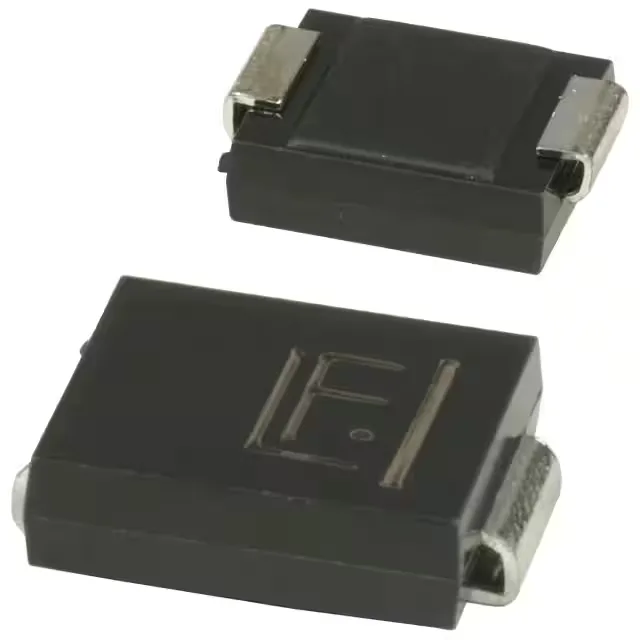
Littelfuse Inc. 1.5SMC20 — Circuit Protection

Littelfuse 1.5SMC20 TVS Diode, 1500W, DO-214AB

MPN1.5SMC20
Obsolete

Littelfuse Inc. 1.5SMC series Zener TVS diode, 1.5SMC20, 1500W peak pulse power, 17.1V standoff, DO-214AB (SMC) surface mount, unidirectional.

Sourced new & surplus through independent channelsAuthenticity-screened · ESD-safe packingListing updated Jul 2026

Specifications

1.5SMC20 specifications
ParameterValue
TypeZener
Series1.5SMC
MountingSurface Mount
Voltage - breakdown18V
Voltage - clamping (Max) @ ipp29.09V
Voltage - reverse standoff17.1V
Current - peak pulse (10/1000μs)54.9A
Power - peak pulse1500W (1.5kW)
Power line protectionNo
Operating temperature-55°C~150°C(TJ)
PackageTape & Reel (TR)
ApplicationsGeneral Purpose
CaseDO-214AB, SMC
Unidirectional channels1

Product details

Obsolete — sourcing the 1.5SMC20 for your BOM

For existing BOM lines that require this specific order code, sourcing is through independent distribution channels.

Protection envelope — what the ratings mean

This is a Zener-type TVS diode from the 1.5SMC series, rated for 1500W (1.5kW) peak pulse power under a 10/1000µs waveform. The 1500W rating defines the surge energy it can safely clamp — a key parameter for selecting the right protection device for a given transient threat level. It is a single unidirectional channel, meaning it protects one DC line against positive transients. For AC or bidirectional protection, two devices or a bidirectional TVS would be needed.

Package and board-fit

Housed in a DO-214AB (SMC) surface-mount package, also referred to as the SMCJ footprint. This is a standard, hand-solderable SMD package — a hot-air rework station or even a fine-tipped iron with careful technique can handle it for prototyping or small-batch rework.

Frequently asked questions

What is the 1.5SMC20 used for?

It is a Zener TVS diode used for transient voltage suppression on DC power or signal lines. With a 17.1V standoff and 1500W peak pulse rating, it clamps surges up to 29.09V, protecting downstream circuitry from events like ESD, load dump, or inductive kickback.