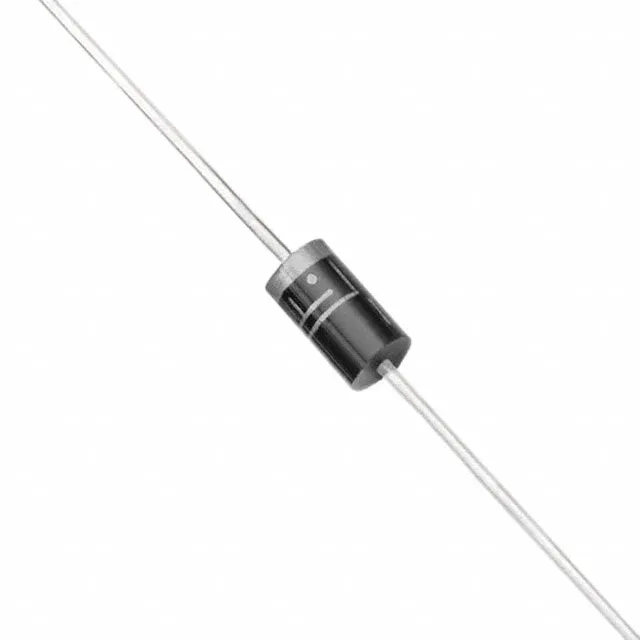
Littelfuse Inc. 1.5KE7.5C-B — Circuit Protection

Littelfuse 1.5KE7.5C-B TVS Diode, 1.5kW, 6.4V Standoff

MPN1.5KE7.5C-B
Obsolete

Littelfuse 1.5KE series bidirectional TVS diode, 1.5KE7.5C-B, 1500W peak pulse power, 6.4V reverse standoff, 11.87V clamping, DO-201AA axial, bulk.

Sourced new & surplus through independent channelsAuthenticity-screened · ESD-safe packingListing updated Jul 2026

Specifications

1.5KE7.5C-B specifications
ParameterValue
TypeZener
Series1.5KE
MountingThrough Hole
Voltage - breakdown6.75V
Voltage - clamping (Max) @ ipp11.87V
Voltage - reverse standoff6.4V
Current - peak pulse (10/1000μs)134.5A
Power - peak pulse1500W (1.5kW)
Power line protectionNo
Operating temperature-55°C ~ 175°C (TJ)
PackageBulk
ApplicationsGeneral Purpose
CaseDO-201AA, DO-27, Axial
Bidirectional channels1

Product details

Key ratings for the protection decision

The 1.5KE7.5C-B: The reverse standoff voltage is 6.4 V typical, meaning the diode stays high-impedance below that level and only starts conducting when the transient exceeds the 6.75 V minimum breakdown threshold.

Bidirectional and package fit

A single bidirectional channel means the diode protects against both positive and negative transients with one device — useful for AC signal lines or DC rails where reverse polarity is a risk. Housed in a DO-201AA (DO-27) axial-lead through-hole package, it hand-solders easily into a prototype board or production PCB with standard 0.100-inch pitch holes.

Where it fits in the circuit

Marked for general-purpose transient suppression — it is not rated for power-line protection (no internal power-line protection circuitry), so it belongs on signal or low-voltage DC rails rather than mains inputs.

Frequently asked questions

What does the 1500W peak pulse rating mean for my circuit?

For a 6.4 V rail, that translates to roughly 134.5 A of peak pulse current before the voltage is clamped at 11.87 V.

Can I hand-solder the 1.5KE7.5C-B?

Yes, the DO-201AA axial-lead through-hole package is breadboard- and protoboard-friendly. The leads are thick enough to handle repeated soldering without lifting pads, and the body is large enough to read the marking easily.