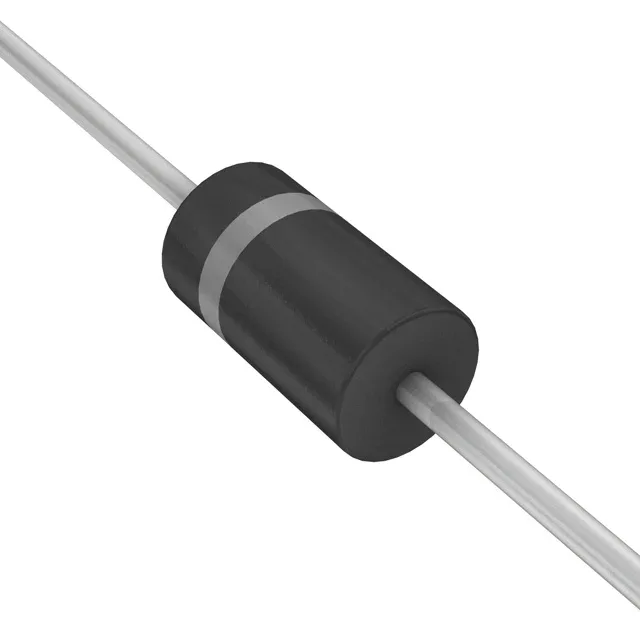
Littelfuse Inc. 1.5KE27AG — Circuit Protection

Littelfuse 1.5KE27AG TVS Diode, 1500W, 23.1V Standoff

MPN1.5KE27AG
Obsolete

Littelfuse Mosorb™ series, Zener TVS diode, 1.5KE27AG, DO-201AD axial, 1500W peak pulse power, 23.1V reverse standoff voltage, unidirectional.

$0.6700Ref. price · indicative, final on quote
Sourced new & surplus through independent channelsAuthenticity-screened · ESD-safe packingListing updated Jul 2026

Specifications

1.5KE27AG specifications
ParameterValue
TypeZener
SeriesMosorb™
MountingThrough Hole
Voltage - breakdown25.7V
Voltage - clamping (Max) @ ipp37.5V
Voltage - reverse standoff23.1V
Current - peak pulse (10/1000μs)40A
Power - peak pulse1500W (1.5kW)
Power line protectionNo
Operating temperature-65°C~175°C(TJ)
PackageBulk
ApplicationsGeneral Purpose
CaseDO-201AD, Axial
Unidirectional channels1

Product details

1500 W peak pulse in an axial DO-201AD

The 1.5KE27AG: The 40 A peak pulse current rating tells you the surge the part can handle before the junction exceeds its thermal limit — this is the figure to compare against your system's expected transient energy, not the standoff voltage alone. Operating temperature spans -65°C to 175°C (junction), covering the full industrial and automotive ambient range with margin for self-heating during a surge event.

Obsolete — sourced through independent channels

Littelfuse lists the 1.5KE27AG as obsolete. No official successor or second-source is recorded in the manufacturer's lifecycle data. Available through independent surplus and broker channels. Quantities are lot-specific; stock position and pricing are confirmed at RFQ. The axial DO-201AD package is a standard footprint, so a pin-compatible drop-in from another TVS family may exist — cross-reference against your clamp voltage and peak pulse requirements at quote time.

Frequently asked questions

What is the closest pin-compatible alternative to 1.5KE27AG?

No official direct replacement is recorded in the lifecycle data. Confirm the replacement's clamping curve at your operating current before committing the BOM line.