What the 1500W rating means on a dead rail
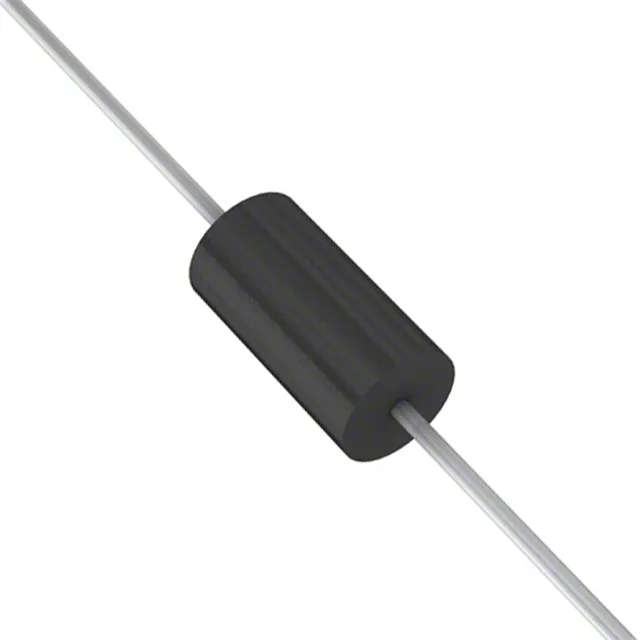
The 1.5KE24: When a surge hits, the diode breaks down at 21.6V minimum and clamps the voltage to 34.86V maximum while shunting up to 45.8A of peak pulse current (10/1000µs waveform). That 1500W peak pulse power rating tells you it can absorb a single high-energy event — like an inductive kick or a lightning-induced spike — without failing short. The through-hole axial body (DO-201) makes it a common sight on older industrial control boards and telecom line cards, where a technician can spot the scorch mark and know which part actually died. The operating junction temperature range from -55°C to 175°C covers most environments outside of engine-bay extremes.
Sourcing an obsolete part for a board repair
Littelfuse has marked the 1.5KE24 as obsolete, meaning the manufacturer no longer produces it. For a repair bench or a BOM that needs this exact order code, the supply channel is independent distribution — surplus inventory, new-old-stock, or broker-sourced lots. No official successor order code is listed by Littelfuse for this part. If the board layout allows, a functionally equivalent TVS with similar standoff and clamping voltages from the same 1.5KE family could be considered, but a pin-compatible drop-in is not guaranteed without reviewing the full datasheet.
Key specs for the BOM check
The reverse standoff voltage is 20.5V — this is the DC bias the diode sees under normal operation without conducting. The breakdown range starts at 21.6V, so the rail must stay below that threshold during steady-state. The clamping voltage at peak pulse current is 34.86V, which sets the maximum voltage the downstream circuitry sees during a transient event. It is a single unidirectional channel, meaning it protects one polarity. The package is DO-201AA axial (also known as DO-27), with a through-hole mount — the leads are crimped into the PCB and soldered, making it straightforward to replace with a soldering iron and a desoldering wick.