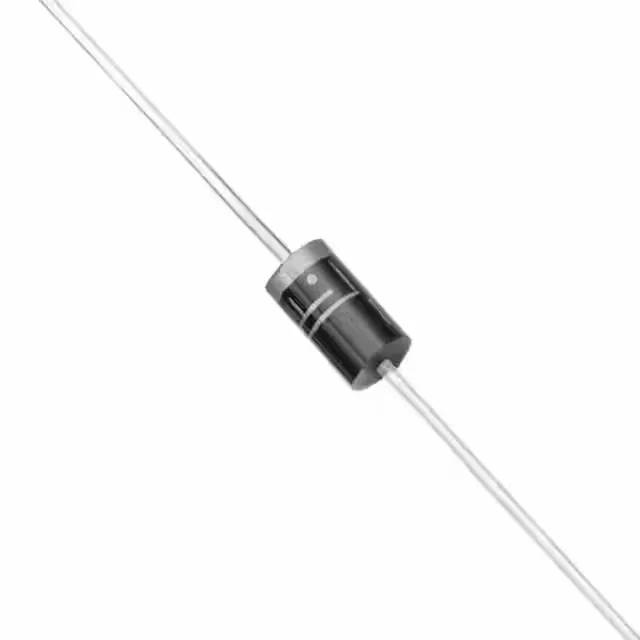
Littelfuse Inc. 1.5KE20C-B — Circuit Protection

1.5KE20C-B Littelfuse TVS Diode, 1500W, Obsolete

MPN1.5KE20C-B
Obsolete

Littelfuse 1.5KE series bidirectional Zener TVS diode, 1.5KE20C-B, 1500W peak pulse power, 29.09V clamping, 54.9A peak pulse current, DO-201AA axial package, bulk.

Independent supplier — new & surplus stockAuthenticity-screened · ESD-safe packingListing updated Jul 2026

Specifications

1.5KE20C-B specifications
ParameterValue
TypeZener
Series1.5KE
MountingThrough Hole
Voltage - breakdown18V
Voltage - clamping (Max) @ ipp29.09V
Voltage - reverse standoff17.1V
Current - peak pulse (10/1000μs)54.9A
Power - peak pulse1500W (1.5kW)
Power line protectionNo
Operating temperature-55°C~175°C(TJ)
PackageBulk
ApplicationsGeneral Purpose
CaseDO-201AA, DO-27, Axial
Bidirectional channels1

Product details

What the 1.5KE20C-B is and why it matters for your BOM

The through-hole DO-201AA axial package (also known as DO-27) is a standard footprint for legacy board designs and field retrofits, making it a direct drop-in for existing layouts.

Lifecycle reality: Obsolete, sourced through surplus

For existing BOM lines, this part is available through independent surplus and broker channels.

Key ratings and what they mean for your circuit

The 29.09V clamping voltage at 54.9A peak pulse current means a 17.1V rail will be held below 30V during a surge — sufficient to protect downstream semiconductors rated for 30V or higher.

Frequently asked questions

Where can I buy 1.5KE20C-B and how do I get a price?

The 1.5KE20C-B is obsolete but available through independent surplus distribution. Submit an RFQ — we source and quote it to order, confirming availability and current pricing at quote time.

What is the closest pin-compatible alternative to 1.5KE20C-B?

Littelfuse does not list an official successor for this specific order code. A functionally similar bidirectional TVS in the 1.5KE family with the same package and voltage rating may work, but verify clamping voltage and peak current against your circuit's requirements before substituting.