200 V, 18 A — what this HEXFET handles
That 200 V rating puts it solidly into 48 V bus systems, 72 V battery packs, and telecom rectifiers where you need headroom above a 48 V rail. Gate charge is 67 nC at 10 V, which is moderate for this current class. A standard gate-driver IC like a TC4427 or a half-bridge driver can switch it at tens of kHz without the drive losses eating your efficiency margin. Input capacitance is 1160 pF at 25 V drain — that tells you the switching speed is manageable for a 200 V part.
Temperature range and package — field-fit check
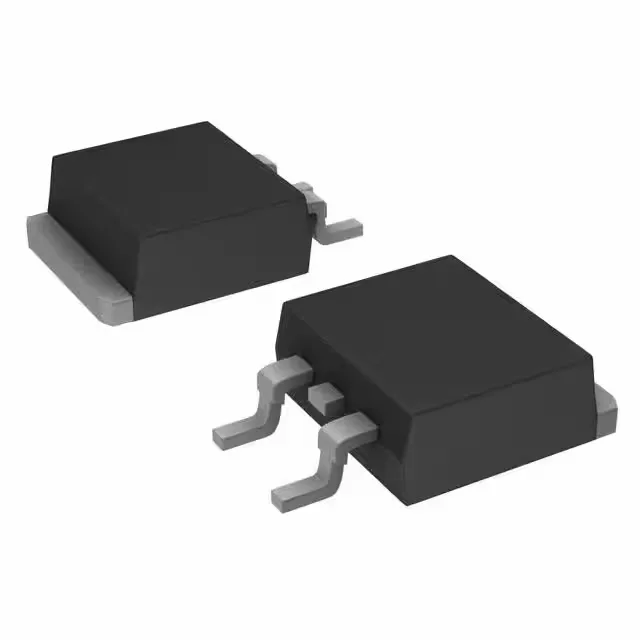
That means this part can sit in an engine bay, a downhole tool, or an outdoor telecom cabinet where the ambient hits 85°C and the junction climbs higher. The 175°C limit gives you thermal margin that a 150°C part would not. Package is D2PAK (TO-263-3), a surface-mount power package with a large exposed drain tab. That tab is the drain connection, so the PCB copper pour under the part is at drain potential — layout needs to keep that clear of ground pour unless the design calls for it. The tab carries most of the heat; without a good via-stitch to inner-layer copper, the 150 W power dissipation rating is theoretical. For a field swap, this is a reflow-only part — no socket, no hand-solder in the parking lot.
Gate drive and threshold — what to watch
The gate is rated ±20 V max, so you have headroom for a clean 10 V drive without worrying about oxide punch-through.
For production BOMs, it is a stable line item — no need to stockpile or hunt for an alternate yet.