The 200 MHz maximum frequency covers most SPI, Ethernet, and DDR memory reference clocks, but not high-end SERDES or RF synthesizers. The 2:10 input-to-output ratio means you can feed two independent clock sources (say, a primary oscillator and a backup) and route either to up to ten loads, or split the outputs between the two inputs. Because the part is single-ended only (no differential I/O), it is best suited for single-ended clock trees driving CMOS loads — not for LVDS or LVPECL fanout.
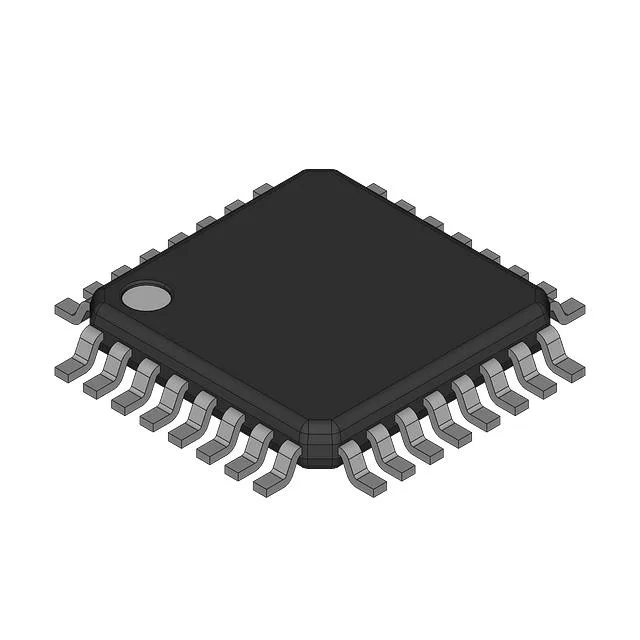
CY29946AIT Fanout Buffer, Divider, Mux, 200 MHz, 32-TQFP
MPNCY29946AIT
End of Life
Cypress CY29946AIT, Low Skew Clock Driver, Type Fanout Buffer (Distribution), Divider, Multiplexer, Input LVCMOS, LVTTL, Output LVCMOS, LVTTL, Frequency - Max 200 MHz, Voltage - Supply 2.375V ~ 2.625V, 2.97V ~ 3.63V, Operating Temperature -40°C ~ 85°C, Package / Case 32-TQFP, Surface Mount.
$4.78Ref. price · indicative, final on quote
Packaging32-TQFP
RoHSRoHS non-compliant
Independent supplier — new & surplus stockAuthenticity-screened · ESD-safe packingListing updated Aug 2026
Specifications
| Parameter | Value |
|---|---|
| Type | Fanout Buffer (Distribution), Divider, Multiplexer |
| Mounting | Surface Mount |
| Voltage | 2.375V ~ 2.625V, 2.97V ~ 3.63V |
| Frequency | 200 MHz |
| Operating temperature | -40°C ~ 85°C |
| Input | LVCMOS, LVTTL |
| Output | LVCMOS, LVTTL |
| Package | Bulk |
| Case | 32-TQFP |
| Number of circuits | 1 |
| Ratio - Input:Output | 2:10 |
| Differential - Input:Output | No/No |
Product details
Frequently asked questions
Is CY29946AIT compatible with 3.3V LVCMOS inputs?
Yes, the CY29946AIT accepts LVCMOS and LVTTL inputs, and its output supply range of 2.97 V to 3.63 V covers 3.3 V logic levels. The core supply can be set to 2.5 V or tied to the same 3.3 V rail.