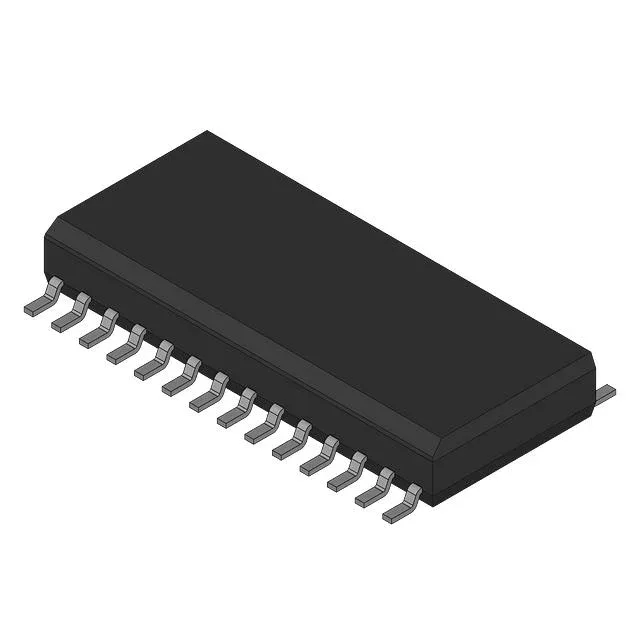
The 166.7 MHz maximum output frequency sets the upper bound for the clocked interfaces this generator can drive — think PCI, SATA, or DDR memory reference clocks at or below that speed. The 1:4 ratio means one crystal oscillator feeds four output copies, each with spread-spectrum modulation. If your design needs more than four clock outputs, you will need a separate fanout buffer or a second generator. The PLL is always engaged; there is no bypass mode for a clean, non-spread clock.
Temperature grade and environment — commercial only
Do not use in industrial enclosures, automotive cabins, or outdoor telecom cabinets without active cooling that keeps the ambient within range.