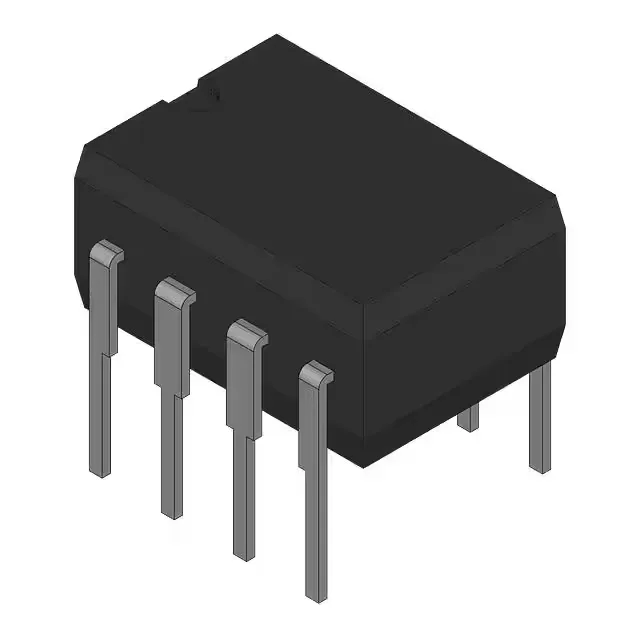
The OP221BIGZ: The 0.08 V/µs slew rate indicates this is a general-purpose amplifier for DC and low-frequency AC signals. The supply span runs from 3 V to 30 V.
Military temperature range and hermetic package
The 8-CERDIP package is a hermetic ceramic cavity — it keeps moisture and contaminants off the die, which is why you see this package in avionics flight computers, satellite telemetry boards, and downhole drilling tools where a plastic SOIC would fail from moisture ingress or thermal cycling. The through-hole leads are a legacy footprint, but that also means the part is easy to hand-rework or socket in a test fixture. For the rework tech: the CERDIP body is brittle — use a controlled preheat and a low-temp solder pot or hot-air nozzle, and never pry the part off cold.
The 4.5 nA input bias current is moderate for divider networks and resistive sensors.
RoHS non-compliance — a sourcing constraint
The OP221BIGZ is listed as RoHS non-compliant. That means the solder finish contains lead — typically a tin-lead plating that is exempt under the RoHS directive for high-reliability applications. If your assembly line is RoHS-mandated (no lead anywhere), this part cannot go through a standard lead-free reflow profile. It is still the right choice for military, aerospace, and medical implants where the tin-lead finish is preferred for reliability and tin-whisker mitigation. The product status is Active, so the manufacturer is still producing it — no last-time-buy pressure for new designs or MRO replenishment.