Quad comparator with a built-in reference — one less IC on the BOM
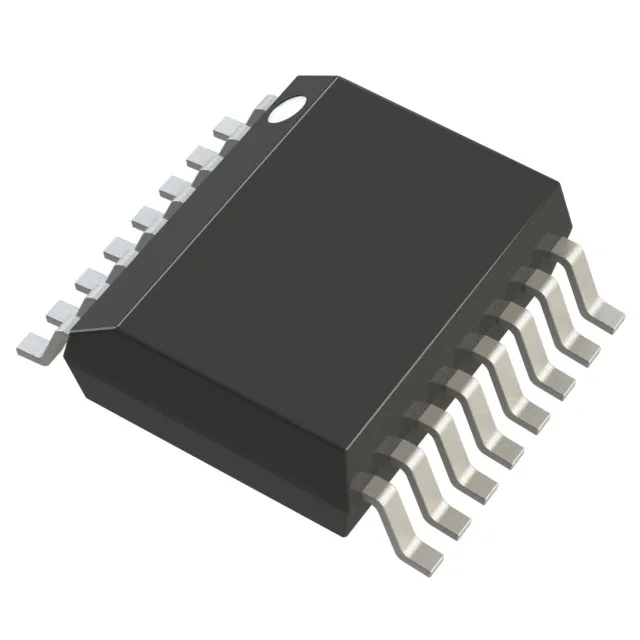
The MAX969EEE+ from Maxim Integrated packs four comparators and a voltage reference into a single 16-QSOP package. Each of the four comparators delivers open-drain, rail-to-rail outputs, so they can be wire-ANDed or level-shifted to any logic voltage up to the supply. The ±1 mV hysteresis is built in — no external positive-feedback resistors needed — which simplifies the layout and guarantees clean switching even on slow-moving input signals.
22 µA quiescent — four comparators sipping less than 100 µA total
At maximum 22 µA quiescent per device (all four channels biased), the MAX969EEE+ draws under 100 µA total. That matters for battery-powered monitors — think portable medical alarms, wireless sensor node threshold detectors, or handheld test gear where every microamp extends field life. The 20 µs propagation delay is adequate for DC threshold and low-frequency AC detection; it is not a high-speed comparator for switching regulators or fast zero-crossing circuits. Input bias current maxes at 0.05 µA at 5.5 V, and input offset voltage is 10 mV max at the same supply. That combination means the part can sense signals from high-impedance sources — like a resistor divider off a battery stack — without loading the node or requiring a buffer stage.
Sourcing note
No production-status uncertainty here.