Analog Devices MAX9646EBS+TG45 — Analog & Data Acquisition

MAX9646EBS+TG45 General Purpose Comparator, 1.1µA, 4-UCSP

MPNMAX9646EBS+TG45
End of Life

Maxim Integrated MAX9646EBS+TG45, General Purpose Comparator, Single, Push-Pull Output, 0.9mV Hysteresis, 15µs Propagation Delay, 1V to 5.5V Supply, -40°C to 85°C, 4-UCSP Package.

$1.82Ref. price · indicative, final on quote
Packaging4-WFBGA, CSPBGA
RoHSROHS3 Compliant
Independent supplier — new & surplus stockAuthenticity-screened · ESD-safe packingListing updated Aug 2026

Specifications

MAX9646EBS+TG45 specifications
ParameterValue
TypeGeneral Purpose
Output typePush-Pull
MountingSurface Mount
Voltage - supply, single (Dual (±))1V ~ 5.5V
Current - quiescent1.1µA
Current - input bias0.015µA
Operating temperature-40°C ~ 85°C
PackageTape & Reel (TR); Cut Tape (CT)
Hysteresis0.9mV
Case4-WFBGA, CSPBGA
CMRR, PSRR53dB PSRR
Number of elements1
Propagation delay15µs

Product details

The MAX9646EBS+TG45 is a single general-purpose comparator from Maxim Integrated, built for low-power threshold detection in battery-operated or portable gear. It draws a maximum quiescent current of 1.1µA, so it won't drain the cell in always-on sensing roles like overvoltage lockout or battery monitor. Supply range runs from 1V up to 5.5V, covering single-cell Li-Ion through 3.3V and 5V rails without a secondary regulator. With a 15µs maximum propagation delay, this part is fast enough for power-good sequencing and window comparators but not for high-speed ADC front ends.

Package reality — the 4-UCSP footprint

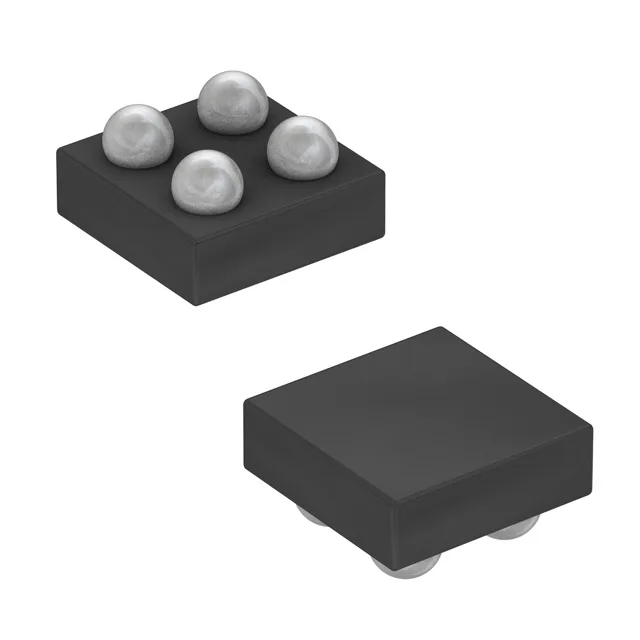
This part comes in a 4-WFBGA, CSPBGA package — a 4-bump wafer-level chip-scale package measuring 1.05mm x 1.05mm (supplier device package 4-UCSP).

Frequently asked questions

What is the output type of MAX9646EBS+TG45?

The output is push-pull, which means it can source and sink current without an external pull-up resistor. That saves a component and simplifies the layout.

What is the quiescent current of MAX9646EBS+TG45?

The maximum quiescent current is 1.1µA. That makes it suitable for always-on battery-powered applications where every microamp counts.