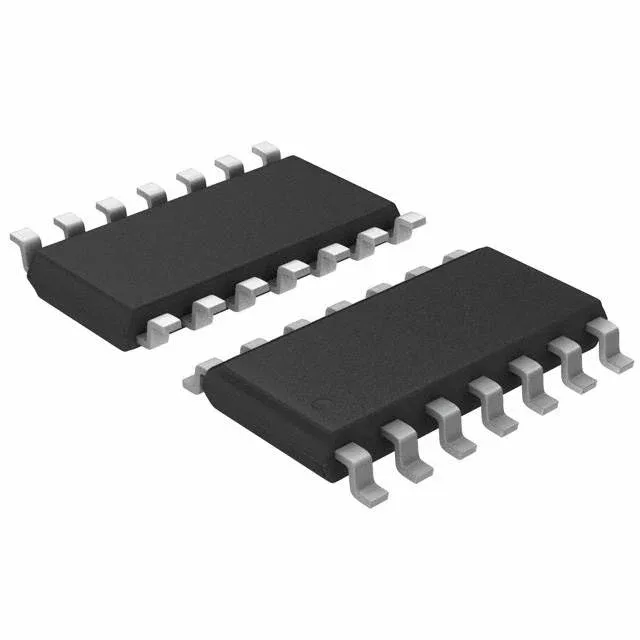
Analog Devices MAX8215ESD+T — Power Management (PMIC / Gate Driver)

MAX8215ESD+T Multi-Voltage Supervisor, 5-Channel, 14-SOIC

MPNMAX8215ESD+T
End of Life

Maxim Integrated MAX8215ESD+T multi-voltage supervisor, 5-channel, monitors ±5V, ±12V, and one adjustable threshold. Open-drain or open-collector outputs, 20µs typical propagation delay. 14-SOIC package, surface mount, -40°C to 85°C operating range.

$7.09Ref. price · indicative, final on quote
Packaging14-SOIC (0.154", 3.90mm Width)
RoHSROHS3 Compliant
Sourced new & surplus through independent channelsAuthenticity-screened · ESD-safe packingListing updated Aug 2026

Specifications

MAX8215ESD+T specifications
ParameterValue
TypeMulti-Voltage Supervisor
MountingSurface Mount
Voltage - threshold±5V, ±12V, Adj
Number of voltages monitored5
Operating temperature-40°C ~ 85°C (TA)
OutputOpen Drain or Open Collector
PackageTape & Reel (TR); Cut Tape (CT)
Reset timeout20µs Typical Propagation Delay
Case14-SOIC (0.154\", 3.90mm Width)

Product details

Five-rail supervisor for mixed-signal boards

The MAX8215ESD+T is a multi-voltage supervisor from Maxim Integrated that monitors five separate supply rails in a single 14-SOIC package. It tracks ±5V, ±12V, and one adjustable threshold — covering the common analog and digital rails on a mixed-signal PCB.

Voltage thresholds and adjustable channel

The fixed thresholds are ±5V and ±12V. The fifth channel is adjustable via an external resistor divider.

20 µs propagation delay — what it buys you

A 20 µs typical propagation delay means the reset output asserts within microseconds of a supply droop. That is fast enough to catch a brownout before the downstream microcontroller or FPGA corrupts its register state or memory contents. For systems with a watchdog or power-fail interrupt, this delay leaves enough margin to trigger a controlled shutdown sequence.

Frequently asked questions

What is the output type of MAX8215ESD+T?

The outputs are open drain or open collector — you need a pull-up resistor to the reset input of the downstream device.