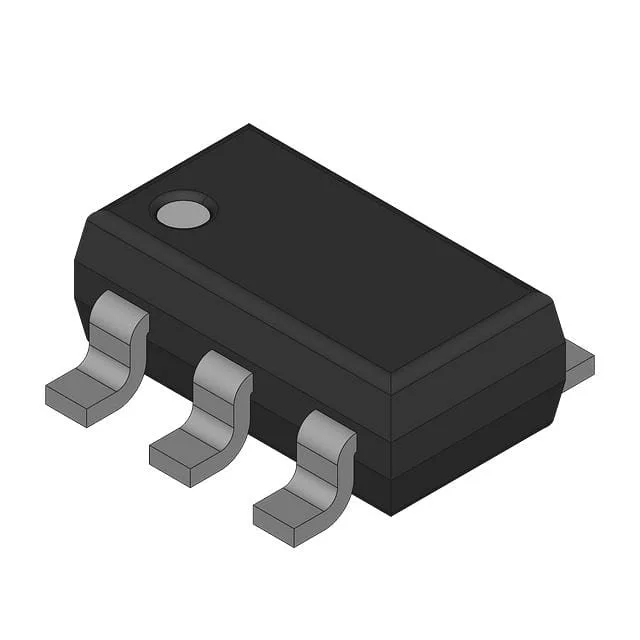
Analog Devices MAX6761TATWD3 — Power Management (PMIC / Gate Driver)

MAX6761TATWD3 Multi-Voltage Supervisor, AEC-Q100

MPNMAX6761TATWD3
End of Life

Maxim Integrated MAX6761TATWD3, Automotive AEC-Q100 Multi-Voltage Supervisor, 2 monitored voltages (1.8V, 3.3V), Active High/Active Low reset, Open Drain/Push-Pull output, 100ms min reset timeout, -40°C to 125°C, 8-WDFN Exposed Pad, Surface Mount.

$2.74Ref. price · indicative, final on quote
Packaging8-WDFN Exposed Pad
SeriesAutomotive, AEC-Q100
Independent supplier — new & surplus stockAuthenticity-screened · ESD-safe packingListing updated Aug 2026

Specifications

MAX6761TATWD3 specifications
ParameterValue
TypeMulti-Voltage Supervisor
SeriesAutomotive, AEC-Q100
MountingSurface Mount
Voltage - threshold1.8V, 3.3V
Number of voltages monitored2
Operating temperature-40°C ~ 125°C (TA)
ResetActive High/Active Low
OutputOpen Drain, Push-Pull
PackageBulk
Reset timeout100ms Minimum
Case8-WDFN Exposed Pad

Product details

What this supervisor does in a vehicle

Threshold selection and reset timing

Having both active-high and active-low reset outputs on the same device simplifies BOM consolidation: a single MAX6761TATWD3 can drive a push-pull active-low reset to the MCU and an open-drain active-high flag to a PMIC or watchdog, without extra level-shifting or inverter gates.

Frequently asked questions

Is the MAX6761TATWD3 AEC-Q100 qualified?

Yes, the MAX6761TATWD3 is part of the Automotive, AEC-Q100 series. That designation means it has been qualified to the AEC-Q100 stress test specification for automotive-grade integrated circuits, covering the full -40°C to 125°C operating range.

What is the reset timeout of the MAX6761TATWD3?

The reset timeout is 100 ms minimum. After all monitored voltages rise above their thresholds, the reset outputs remain asserted for at least 100 ms before releasing, ensuring the supplies have stabilised.

What is the reset output type for the MAX6761TATWD3?

The MAX6761TATWD3 provides both active-high and active-low reset outputs, configurable as open-drain or push-pull. This allows direct connection to different reset input logic families without external components.